What You’ll Learn in This Article
- Shinkansen + Marine Liner is the fastest option: Osaka to Takamatsu in about 1.5 hours
- Highway bus is the cheapest choice — departs directly from Umeda and Namba
- Ferry suits travellers with heavy luggage or those who prefer a relaxed journey
- JR Pass holders get the best value on the Shinkansen + Marine Liner route
- Budget travellers can find early-bird highway bus tickets to Tokushima from around ¥3,000
Route Comparison at a Glance
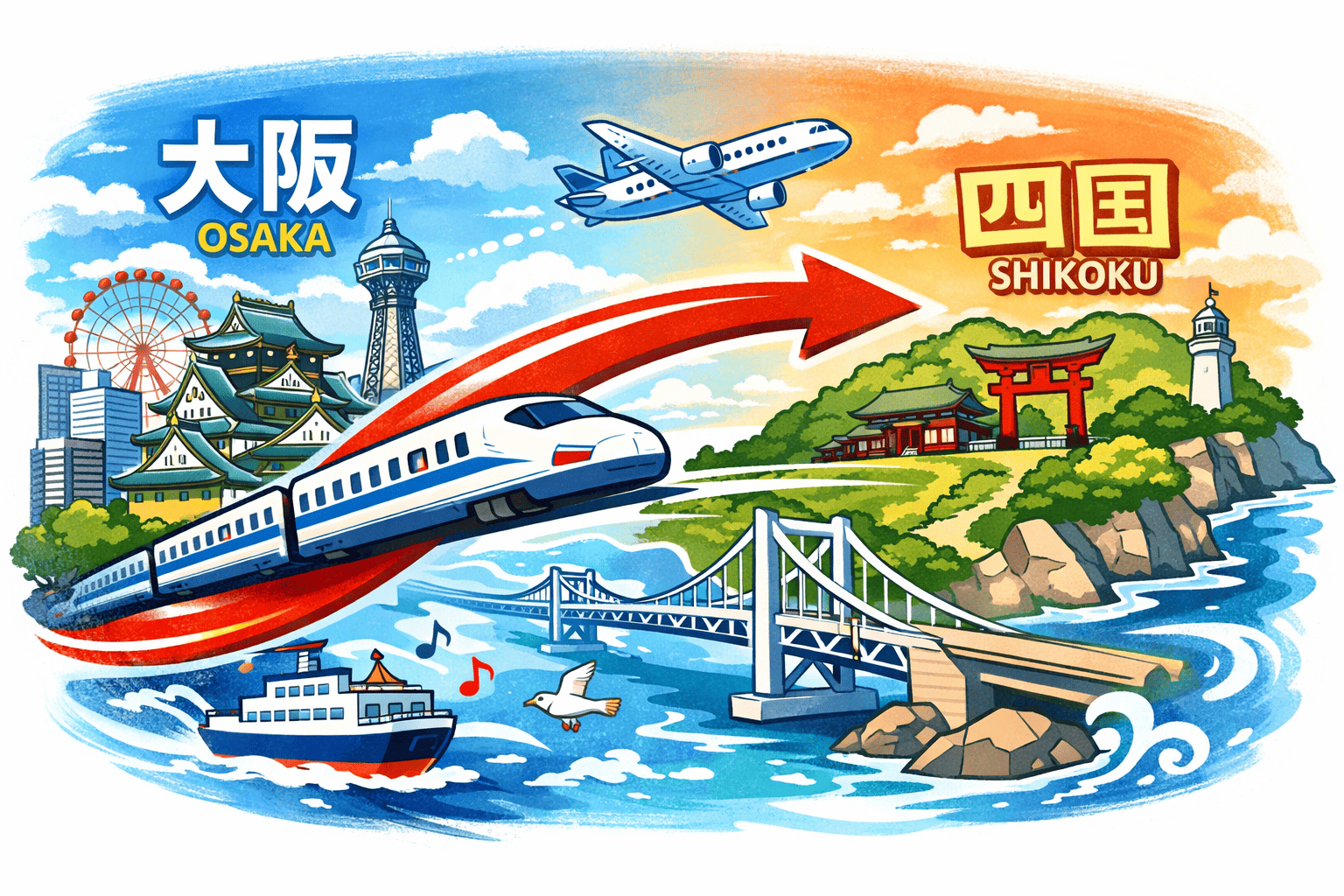
There are three main ways to get from Osaka to Shikoku (Takamatsu or Tokushima): highway bus, Shinkansen + Marine Liner, or ferry. Choose based on your priority — speed, cost, or comfort.
The table below uses Osaka (Umeda / Shin-Osaka) as the departure point. Fares are approximate and may vary with advance discounts or round-trip deals.
| Route | Destination | Travel Time | Approx. Fare | Pros | Cons |
|---|---|---|---|---|---|
| Highway Bus (direct) | Takamatsu | Approx. 3.5–4.5 hrs (check timetable) | Approx. ¥2,500–5,000 | Cheap · boards near Umeda / Namba | Slower · traffic risk |
| Shinkansen + Marine Liner | Takamatsu | Approx. 1.5 hrs | Approx. ¥6,000–8,500 (check timetable) | Fastest · JR Pass accepted | Higher cost · transfer at Okayama |
| Ferry (via Kobe) | Takamatsu | Approx. 5–7 hrs incl. transfer (check) | Approx. ¥4,000–6,000 (check) | Scenic · large luggage OK · overnight option | Time-consuming · need to get to Kobe |
| Highway Bus (direct) | Tokushima | Approx. 2–2.5 hrs (check timetable) | Approx. ¥3,280–4,100 | Shortest from Osaka · frequent departures | Traffic risk |
| Ferry (via Wakayama) | Tokushima | Approx. 3.5–4 hrs (check timetable) | (Check current fares) | Good for heavy luggage | Multiple transfers · slow |
Highway Bus
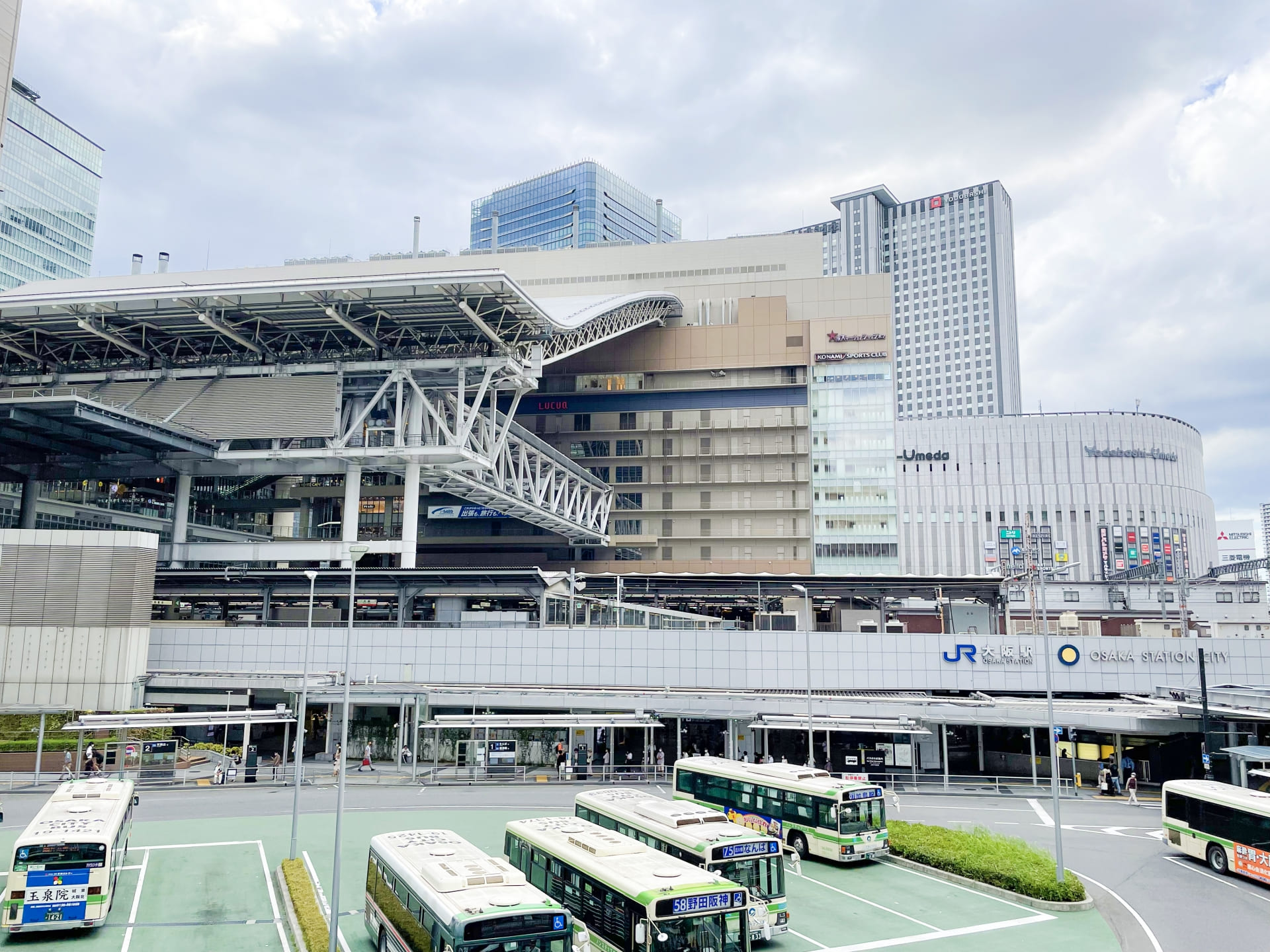
The most popular choice for budget-conscious travellers. Buses depart from central Osaka (Umeda and Namba), making them easy to board even for first-time visitors.
Osaka → Takamatsu (Highway Bus)
Multiple operators — including Foot Bus, JR Shikoku Bus, and West JR Bus — compete on this route, keeping fares competitive. Booking early can unlock some of the cheapest prices available.
- Departure: Osaka Station JR Highway Bus Terminal, Umeda, Namba (varies by operator)
- Arrival: Takamatsu Station Highway Bus Terminal, Takamatsu Chuo, Ritsurin-koen-mae, etc.
- Travel time: Approx. 3.5–4.5 hours (check timetable)
- Fare: Approx. ¥2,500–5,000 one-way (early-bird fares vary)
- Night buses: Available from multiple operators (check availability)
- Booking: Operator websites or bus comparison sites such as Willer Express or Kosokubus.com
Point
Early-bird discounts typically go on sale 1–2 weeks in advance. Book as soon as your travel date is set for the biggest savings. An overnight bus also saves you one night’s accommodation.
Osaka → Tokushima (Highway Bus)
Tokushima is the closest Shikoku destination from Osaka. JR Shikoku Bus runs the ‘Awa Express Osaka’ service up to 10 round trips daily — one of the most convenient options on the island.
- Departure: Umeda (Hankyu Sanbangai Bus Terminal), Namba (check stop locations)
- Arrival: Tokushima Station Bus Terminal
- Travel time: Approx. 2–2.5 hours (check timetable)
- Fare: ¥3,280 (early-bird 7-day advance) to ¥4,100 (standard, JR Shikoku Bus)
- Frequency: JR Shikoku Bus runs 10 round trips daily (more with other operators)
- Booking: Willer Express, Kosokubus.com, or operator websites
Shinkansen + Marine Liner
The fastest route: take the Shinkansen from Shin-Osaka to Okayama, then the Marine Liner to Takamatsu. JR Pass holders can ride both legs with no extra cost, making this especially attractive for international visitors.
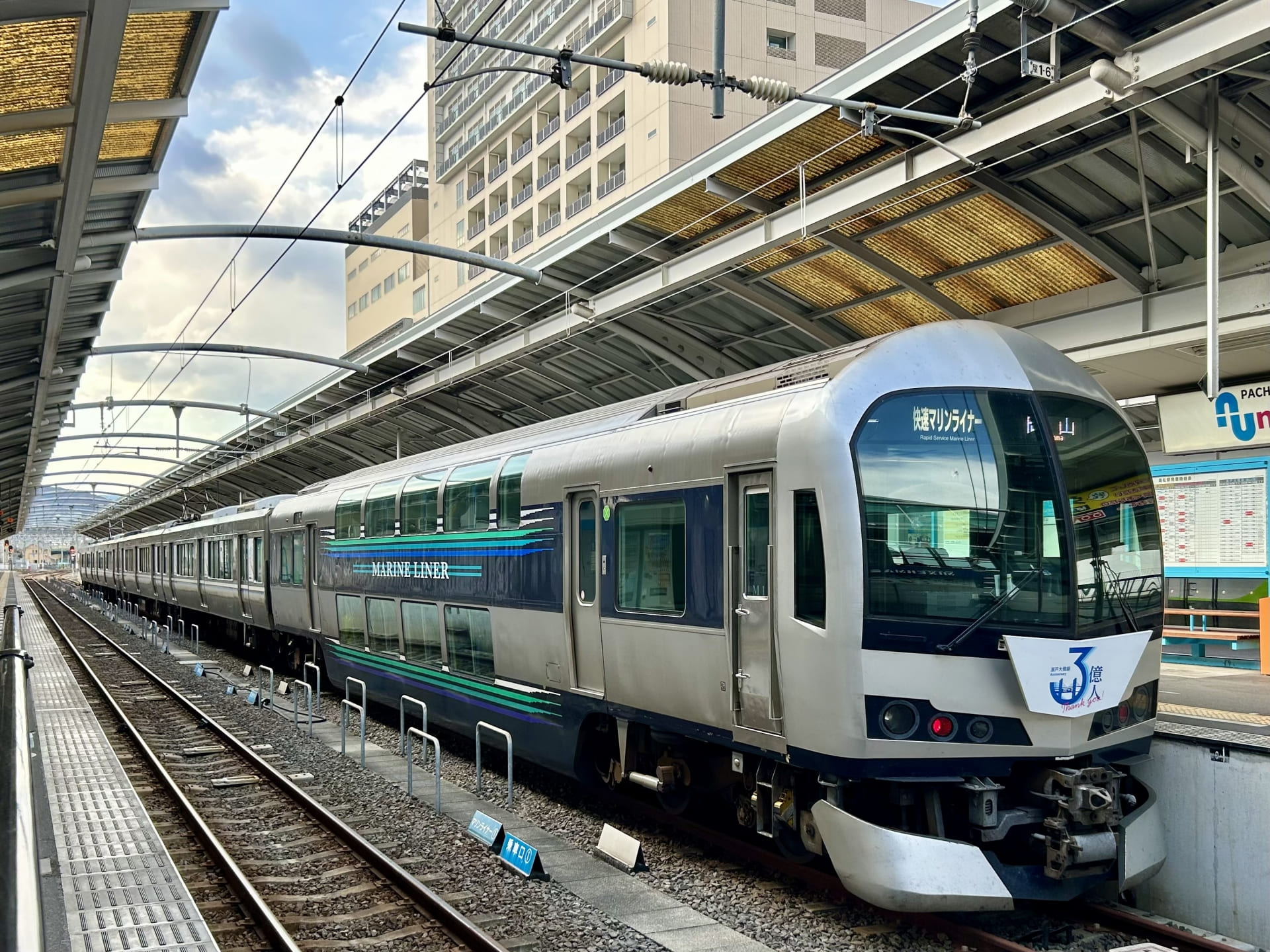
The Marine Liner crosses the Seto Ohashi Bridge — on a clear day, the blue waters and islands of the Seto Inland Sea fill the windows. The transfer at Okayama is within the same gate, and signage makes it easy to navigate.
| Leg | Train | Travel Time | Approx. Fare |
|---|---|---|---|
| Shin-Osaka → Okayama | Nozomi (Shinkansen) | Approx. 35–40 min | Non-reserved seat approx. ¥4,180–4,510 (check) |
| Shin-Osaka → Okayama | Hikari (Shinkansen) | Approx. 45–50 min | Non-reserved seat — same as above |
| Okayama → Takamatsu | Marine Liner | Approx. 55 min | Standard non-reserved ¥1,660 |
| Total (via Nozomi) | — | Approx. 1 hr 30–35 min | Approx. ¥5,840–6,170 (check) |
Info
The Japan Rail Pass covers the entire route including the Marine Liner (JR Shikoku line) — verify current terms before travel. Reserve Shinkansen seats in advance to avoid standing during busy periods.
Ferry
The best option for travellers with large bags or those who want a leisurely sea crossing. There are no direct ferries from Osaka, so the route goes via Kobe or Wakayama.
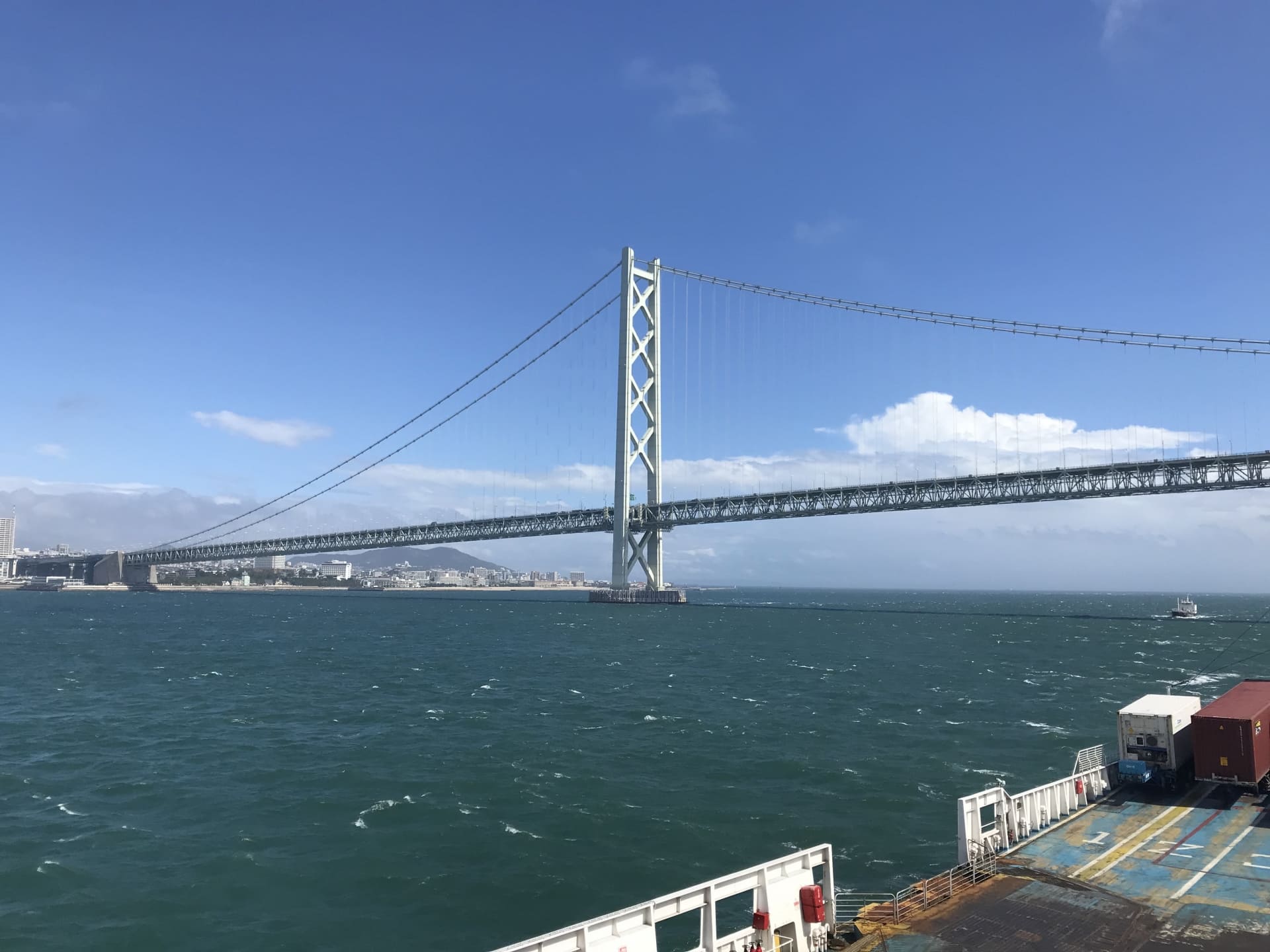
To Takamatsu: Jumbo Ferry (via Kobe)
The Jumbo Ferry connects Kobe Port with Takamatsu Port. Taking the overnight service lets you save on a night’s accommodation while travelling to Shikoku. From Osaka, head to Kobe first by JR or Hanshin Railway.
- Departure: Kobe Port (Ferry Terminal)
- Arrival: Takamatsu Port
- Travel time: Approx. 4 hours (check timetable)
- Fare: Check current fares on the Jumbo Ferry official website
- Overnight service: Available (check schedule)
- Total journey from Osaka including transfer to Kobe: Approx. 5–7 hours (check)
To Tokushima: Nankai Ferry (via Wakayama)
Take Nankai Railways from Namba to Wakayama Port, then the Nankai Ferry to Tokushima Port. A good option if you have a lot of luggage or plan to stop in Wakayama along the way.
- Namba (Nankai Namba Station) → Wakayama Port: Nankai Railways, approx. 1 hr 15 min
- Wakayama Port → Tokushima Port: Nankai Ferry, approx. 2 hours (check timetable)
- Total from Namba to Tokushima: Approx. 3.5–4 hours (check)
- Fare: Check current fares on the Nankai Ferry official website
Warning
Ferry fares vary by season and cabin class (economy, private cabin, etc.). Private cabins on overnight sailings sell out fast — book early.
Which Route Suits You?
No single route is best for everyone. Match your choice to your travel style, budget, and departure time to keep stress to a minimum.
| Travel Style | Recommended Route | Why |
|---|---|---|
| JR Pass holder (international visitor) | Shinkansen + Marine Liner | No extra cost · fastest option |
| Budget traveller | Highway Bus (early-bird) | From around ¥3,000 one-way · direct |
| Time-conscious (maximise sightseeing) | Shinkansen + Marine Liner | Takamatsu in as little as 1.5 hours |
| Overnight to save on accommodation | Overnight ferry (check availability) | Sleep during transit · save hotel costs |
| Tokushima as first stop | Highway Bus (Osaka → Tokushima) | Frequent departures · early-bird from ¥3,000 |
| Heavy luggage / surfboard | Ferry | Large items easier to handle on board |
Boarding & Transfer Tips for First-Timers
The most common stumbling blocks for first-time visitors are finding the right bus stop and allowing enough transfer time. Here are the key points to know before you go.
Highway Bus: Main Osaka Departure Points
Stop locations vary by operator and route. Always check the exact stop on a map app before travel day.
- Osaka Station JR Highway Bus Terminal: A few minutes’ walk from JR Osaka Station — mainly JR-group buses
- Hankyu Umeda Bus Terminal (Sanbangai): Inside Hankyu Department Store B1 — Hankyu Kanko Bus, JR Shikoku Bus Awa Express, and others
- Namba OCAT Bus Terminal: 4F of OCAT Building, directly connected to Nankai Namba Station
- Booking online is standard — you may need a booking reference number or printed ticket on the day
Shinkansen → Marine Liner: Transferring at Okayama Station
Transferring at Okayama is straightforward — you stay within the ticket gates. Follow the signs from the Shinkansen platform to the local lines.
- The Shinkansen-to-local transfer gate is near the exit of the Shinkansen platform
- The Marine Liner departs from the local line platforms (mainly platforms 7–8 — check on the day)
- The Marine Liner runs every 30 minutes, so a missed connection only means a short wait
- IC cards (Suica, ICOCA, etc.) are accepted on the Marine Liner
Point
Non-reserved Shinkansen seats can fill up during peak periods. The Nozomi is fastest but may not be covered by the JR Pass — check current terms. Hikari and Kodama are generally covered with no surcharge.
Scenic Highlights Along the Way
The journey from Osaka to Shikoku is itself a highlight. Crossing one of the world’s great bridges is the first dramatic moment of any Shikoku trip — and the experience differs depending on which route you take.
Seto Ohashi Bridge (Shinkansen + Marine Liner Route)
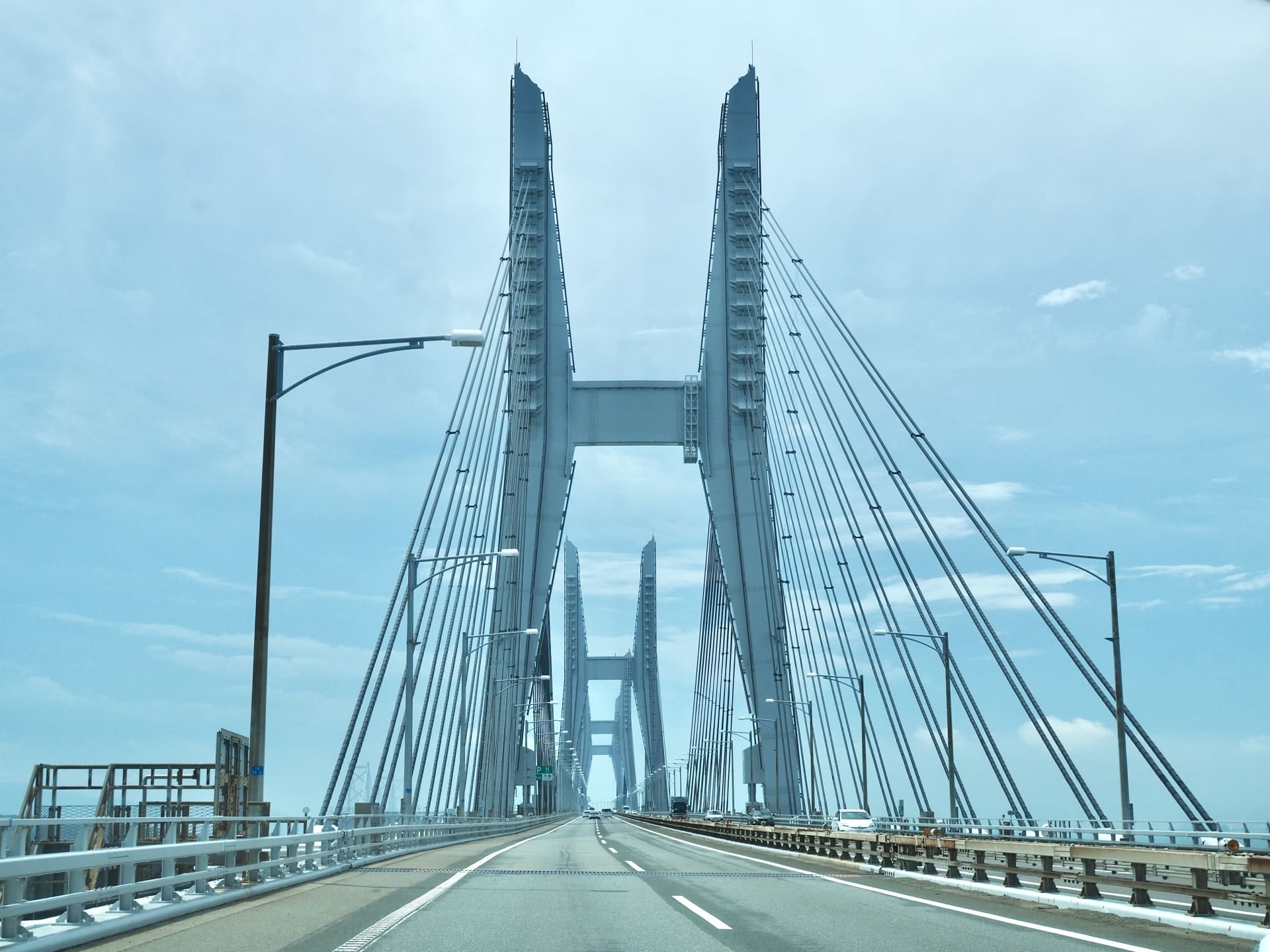
The Marine Liner crosses the Seto Ohashi Bridge — Guinness-certified as the world’s longest railway-road combined bridge (9,368 m of bridging). The crossing takes about 10 minutes, and on a clear day the islands of the Seto Inland Sea stretch out in every direction.
Car 1 of the Marine Liner is a double-decker. The Green Car seats on the upper deck and the panorama Green seats at the very front offer exceptional views. For Takamatsu-bound passengers, Seat A (left-side window) gives the best sea views and a close-up of Yoshima island near the middle of the bridge. Look out for the white Nabeshima Lighthouse — an Important Cultural Property — near the bridge’s midpoint.
Point
The panorama Green seats at the front (forward-facing observation seats) are very popular — reserve early on weekends and holidays. Standard non-reserved seats also have views, though the angle depends on your seat position.
Akashi Kaikyo Bridge & Onaruto Bridge (Highway Bus · Tokushima Route)
Buses from Osaka and Kobe to Tokushima cross two suspension bridges back to back. First is the Akashi Kaikyo Bridge (3,911 m long, main towers 298 m tall — higher than Tokyo Tower), then Awaji Island, then the Onaruto Bridge into Tokushima. Two world-class bridges in one ride.
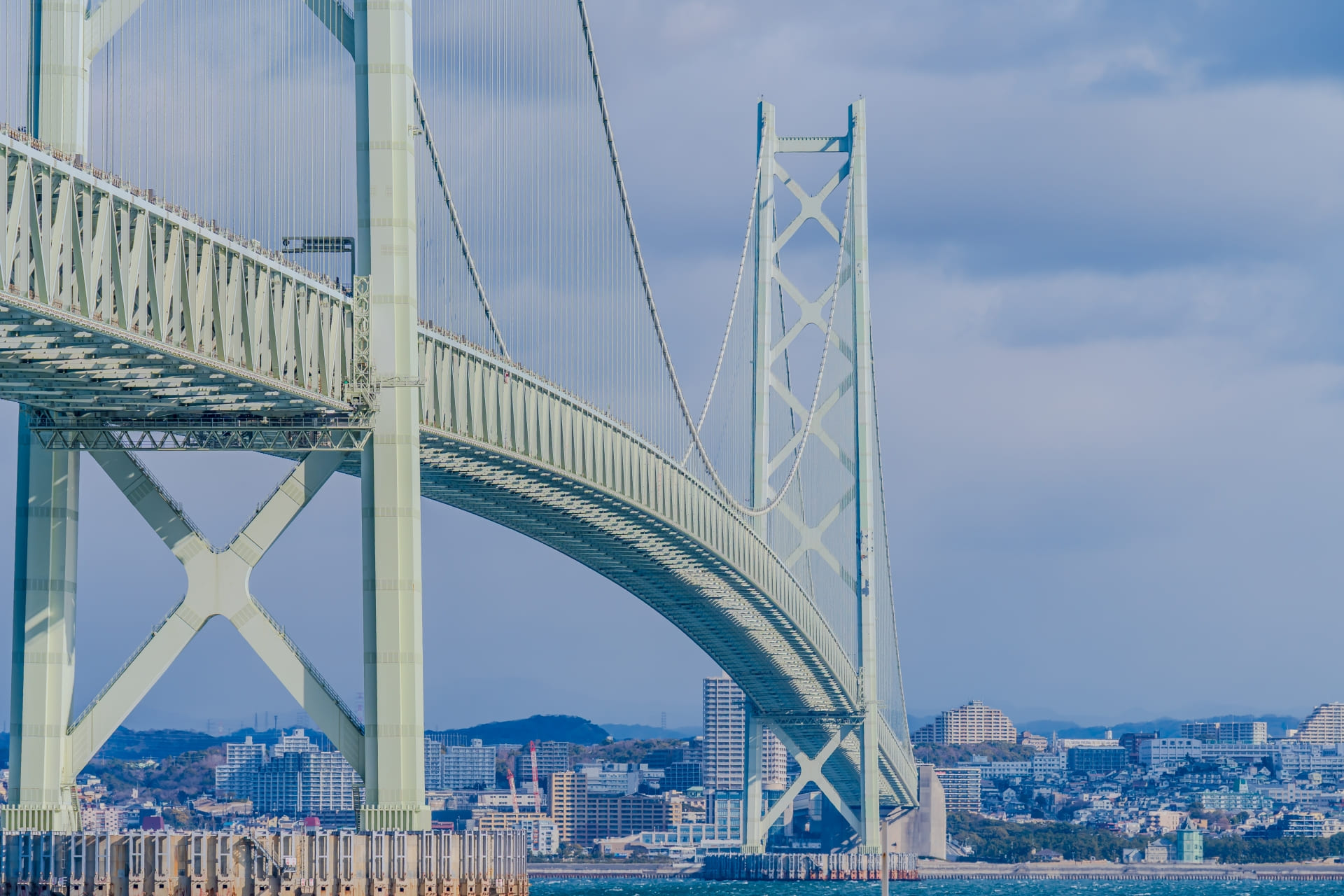
Directly below the Onaruto Bridge, the famous Naruto Whirlpools form — if the tide is right you may catch a glimpse from the bus window. The Maiko bus stop (just before the Akashi Kaikyo Bridge) has an observation deck on its 4th floor where you can look up at the bridge if you have time to spare.
Passing Under the Akashi Kaikyo Bridge (Ferry Route)
The Jumbo Ferry (Kobe → Takamatsu) passes directly under the Akashi Kaikyo Bridge shortly after leaving Kobe Port. Step out onto the deck and the bridge spans overhead — an unforgettable perspective. On daytime sailings the open deck also offers wide views of the Seto Inland Sea and the Rokko Mountains.
Summary
Getting from Osaka to Shikoku comes down to three main options: Shinkansen + Marine Liner for speed, highway bus for cost, or ferry for a relaxed journey. Choose based on your destination (Takamatsu or Tokushima) and your travel style.
- Fastest: Shin-Osaka → Okayama (Shinkansen) + Okayama → Takamatsu (Marine Liner) in about 1.5 hours
- Cheapest: Highway bus from Umeda / Namba — Tokushima from around ¥3,000 with early-bird fares
- Ferry: Jumbo Ferry (Kobe → Takamatsu) or Nankai Ferry (Wakayama → Tokushima)
- JR Pass holders can ride both the Shinkansen and Marine Liner at no extra cost (verify current terms)
- Always check the latest fares and schedules on official websites before travel