What You’ll Learn in This Article
- Kurashiki Bikan Historical Quarter is a preserved townscape of Edo–Meiji-era white-walled storehouses and willow-lined canals, just 17 minutes (¥330 / approx. USD 2) by train from Okayama Station
- Ohara Museum of Art is Japan’s first private Western art museum. General admission is ¥2,000 (approx. USD 13), with world-renowned works by El Greco, Monet, Gauguin, and Cézanne
- The Kurashiki River Boat Ride costs ¥700 (approx. USD 5) per person and lasts about 20 minutes. Same-day tickets go on sale at 9:00 AM on a first-come, first-served basis — arrive early to secure your slot
- Kurashiki Folk Craft Museum (¥1,200 / approx. USD 8) and Ivy Square are also within walking distance. One full day covers all the main sights
- The entire area is car-free and walkable from JR Kurashiki Station — ideal for JR Pass holders exploring without a rental car
What Is the Kurashiki Bikan Historical Quarter?
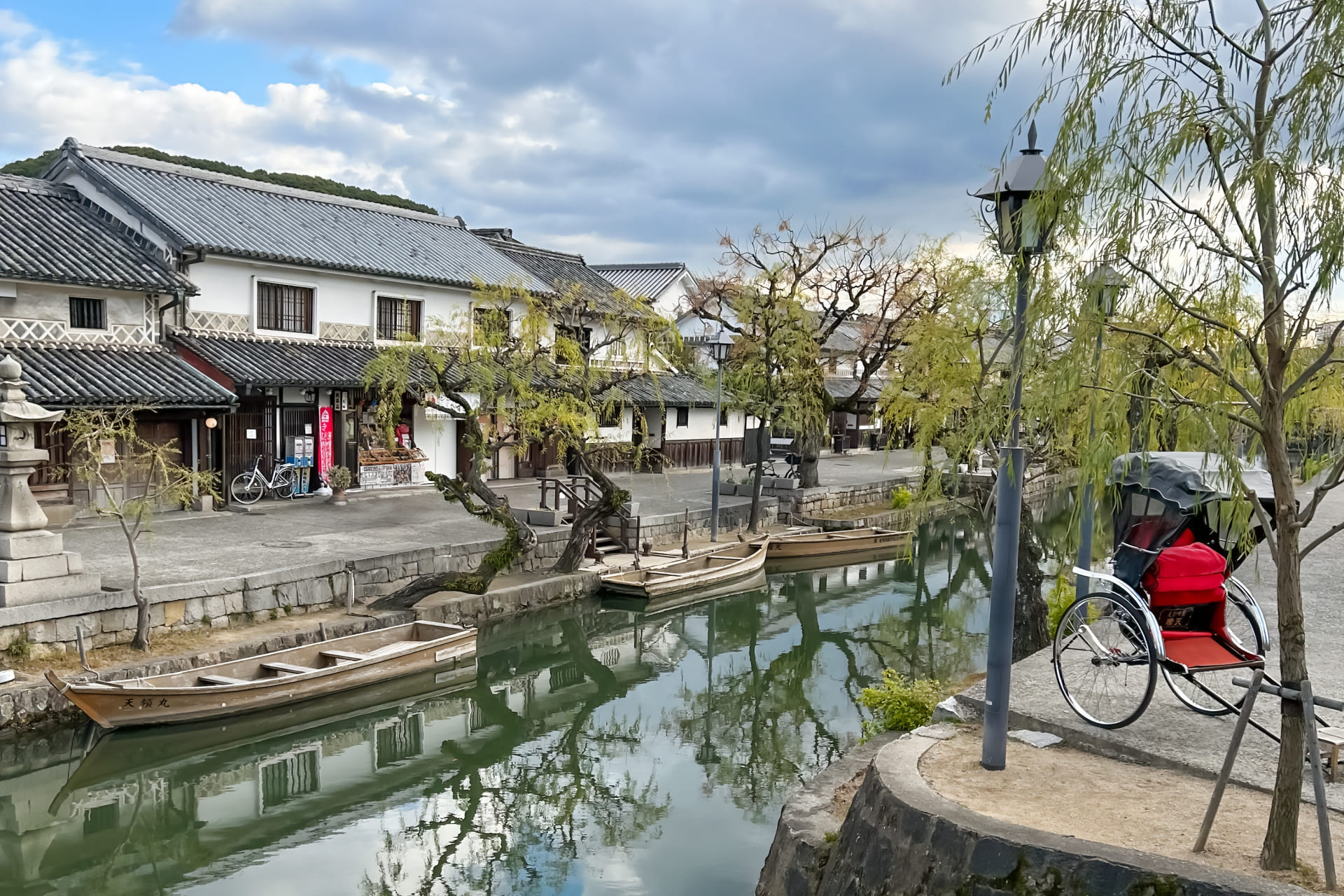
The Kurashiki Bikan Historical Quarter is a protected historic area in Kurashiki City, Okayama Prefecture. The district preserves the atmosphere of a merchant town that once flourished as a direct domain of the Edo-period shogunate (tenryō). Its unified landscape — white-walled storehouses, namako-plaster walls (a distinctive black-and-white tile pattern), and willow-lined canals — has been designated a National Important Preservation District for Groups of Historic Buildings.
The area spreads out from the Kurashiki River and is compact enough to explore entirely on foot. The main attractions — Ohara Museum of Art, the river boat ride, the Folk Craft Museum, and Ivy Square — are all within a 500-meter (550-yard) radius. Cafés and craft shops housed in converted Edo-period storehouses line the streets, drawing a steady crowd of visitors throughout the day.
Point
The central canal area along the Kurashiki River is car-free. It is a 15-minute walk from JR Kurashiki Station and can be explored entirely without a car.
Getting There: From Kurashiki Station and Okayama Station
The nearest station is JR Kurashiki Station. It is about 17 minutes (¥330 / approx. USD 2) by train from Okayama Station, making it an easy day trip from Tokyo or Osaka via Shinkansen.
From Okayama Station
| Option | Travel Time | Fare | Notes |
|---|---|---|---|
| JR Sanyo Line (Okayama → Kurashiki) | Approx. 17 min | ¥330 (approx. USD 2) | 1–2 trains per hour. IC cards (Suica, ICOCA) accepted. |
| Kurashiki Station South Exit to Bikan Quarter (on foot) | Approx. 15 min (approx. 1 km / 0.6 miles) | Free | Head straight south from the station along the main road. |
From Kurashiki Station, exit the South Exit and walk straight along Kurashiki Chuo-dori. After passing through the shopping arcade, white-walled buildings come into view and you enter the canal-side historic district. There are no transfers or forks in the route, so it is easy to navigate even on a first visit.
From Major Cities (via Shinkansen)
| Departure | Route | Approx. Travel Time |
|---|---|---|
| Tokyo | Tokaido/Sanyo Shinkansen Nozomi → Okayama → JR Kurashiki | Approx. 3.5 hours |
| Osaka | Sanyo Shinkansen or JR Rapid Service → Okayama → JR Kurashiki | Approx. 1.5–2 hours |
| Hiroshima | Sanyo Shinkansen → Okayama → JR Kurashiki | Approx. 1 hour |
Model Itinerary: One Full Day
All the major sights in the Bikan Quarter are within walking distance of each other. Arriving by 9:00 AM gives you enough time to visit the Ohara Museum, take the river boat ride, and explore the Folk Craft Museum and Ivy Square comfortably in a single day.
| Time | Activity | Estimated Duration |
|---|---|---|
| 9:00–9:15 | Arrive at Kurashiki Station → Head to Kurashiki-kan Tourist Information Center to buy river boat tickets | — |
| 9:15–11:30 | Ohara Museum of Art (less crowded right at opening time) | Approx. 2–2.5 hours |
| 11:30–12:30 | Lunch near the Kurashiki River (Yurin-an, Kurashiki Momoko, etc.) | Approx. 1 hour |
| 13:00–13:30 | Kurashiki River Boat Ride (approx. 20-min cruise) | Approx. 30 min including wait |
| 14:00–15:00 | Kurashiki Folk Craft Museum | Approx. 1 hour |
| 15:00–16:30 | Kurashiki Ivy Square, Kurashiki Denim Street, and nearby shops | Approx. 1–1.5 hours |
| 17:00 | Walk back to Kurashiki Station (15 min on foot) | — |
Point
River boat tickets go on sale at 9:00 AM on a first-come, first-served basis and can sell out by mid-morning on weekends. Head to the Kurashiki-kan Tourist Information Center (along the Kurashiki River) as soon as you arrive to secure a time slot, then spend the morning at the museum.
Ohara Museum of Art: Japan’s First Private Western Art Museum
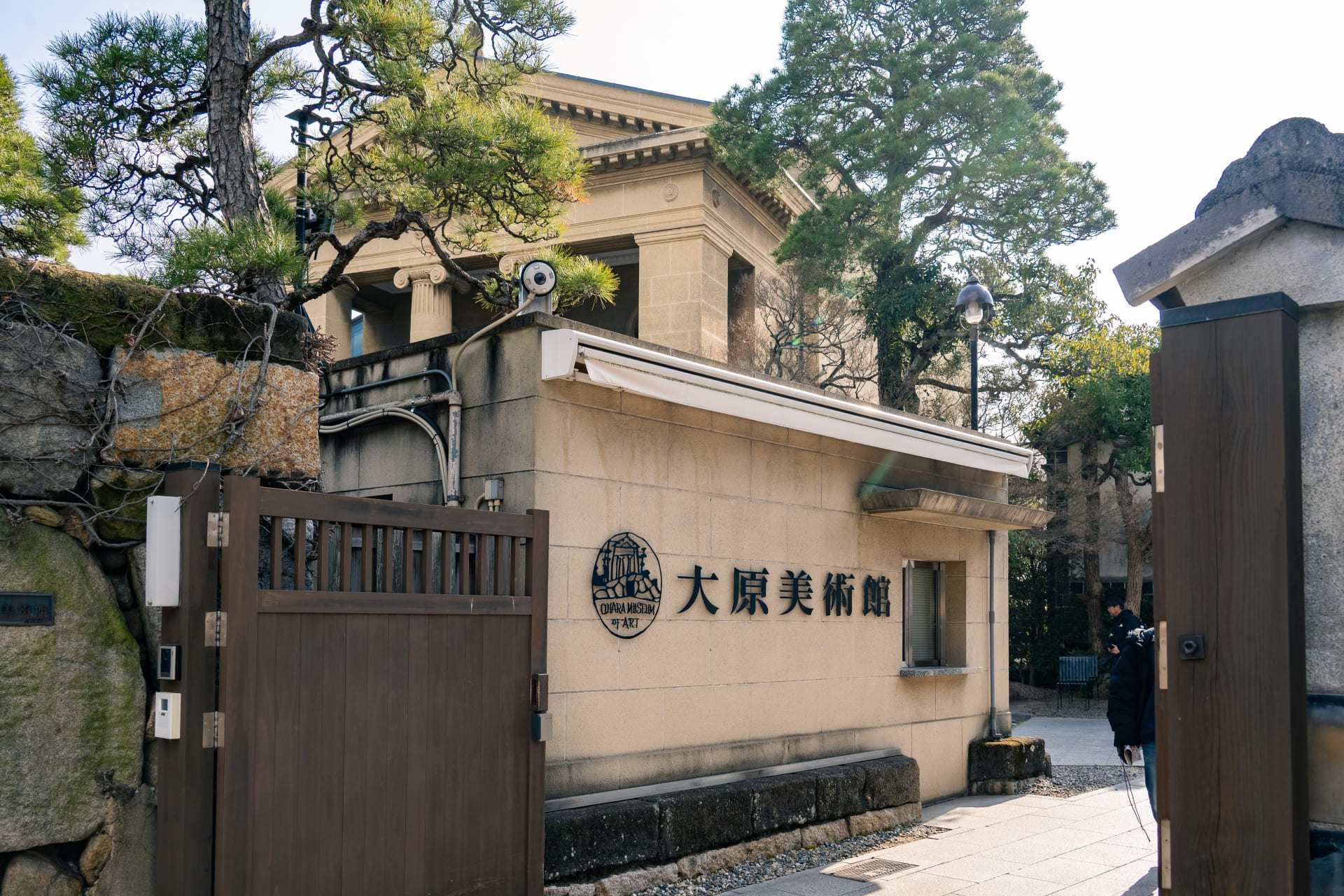
Opened in 1930, the Ohara Museum of Art is Japan’s first private museum dedicated to Western art. Its four buildings — the Main Gallery, Annex, Craft Gallery, and Oriental Gallery — house masterworks by El Greco, Monet, Gauguin, and Cézanne, among others.
Entering the main gallery, the first work to catch your eye is El Greco’s The Annunciation. The sheer size of the canvas and the artist’s signature elongated figures carry a presence that no reproduction can fully convey. Adding the Oriental Gallery — home to Egyptian and Chinese artifacts — plan for 2 to 2.5 hours in total.
| Visitor Type | Admission |
|---|---|
| Adults (high school age and above) | ¥2,000 (approx. USD 13) |
| University / high school students | ¥500 (approx. USD 3) (to be verified) |
| Elementary / middle school students | ¥500 (approx. USD 3) |
| Season | Opening Time | Closing Time |
|---|---|---|
| March – November | 9:00 AM | 5:00 PM (last entry 4:30 PM) |
| December – February | 9:00 AM | 3:00 PM (last entry 2:30 PM) |
Info
Closed on Mondays (open on public holidays and during summer vacation) and during the winter closure period. Check the official website for the latest schedule.
Kurashiki River Boat Ride: Viewing the Quarter from the Water
The Kurashiki River Boat Ride offers a perspective of the Bikan Quarter that you simply cannot get from the street. A boatman guides the small wooden vessel along the canal while narrating the history of the district. Each cruise lasts about 20 minutes, drifting past weeping willows and white-walled storehouses.
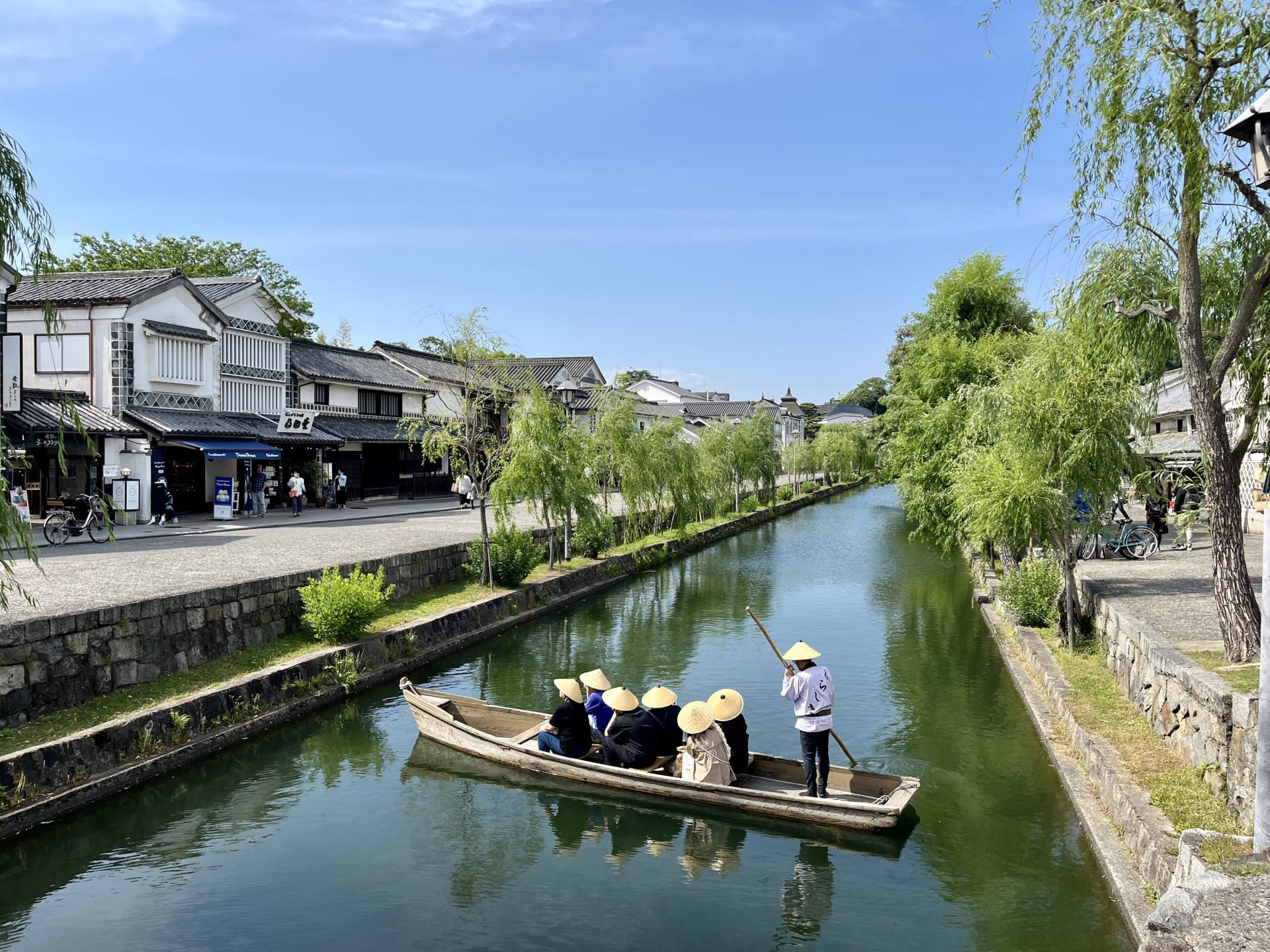
Tickets go on sale at the Kurashiki-kan Tourist Information Center along the river at 9:00 AM on a first-come, first-served basis. Each boat holds up to six passengers, and popular time slots — especially on weekends — can fill up by mid-morning. Head to the information center right after arriving, book an afternoon slot, then spend the morning at the museum.
| Passenger Type | Fare |
|---|---|
| Adults (middle school age and above) | ¥700 (approx. USD 5) |
| Children (age 5 – elementary school) | ¥350 (approx. USD 2) |
| Children under 5 | Free |
| Item | Details |
|---|---|
| Operating hours | First departure 9:30 AM, last departure 5:00 PM (every 30 min) |
| Summer (Jul–Sep) last departure | 3:00 PM (to be verified) |
| Closed days | 2nd Monday of each month Mar–Dec (open on holidays); Jan–Feb weekends and holidays only |
| Capacity | Up to 6 passengers per boat |
| Ticket sales | Same-day from 9:00 AM at Kurashiki-kan Tourist Information Center, first-come, first-served |
Point
Cruises are cancelled in rain or strong winds. Call the Kurashiki-kan Tourist Information Center (+81-86-422-0542) before heading out if the weather looks uncertain.
Kurashiki Folk Craft Museum: Mingei Treasures in an Edo-Period Storehouse
Housed in a converted late Edo-period rice storehouse, the Kurashiki Folk Craft Museum displays around 600 folk craft objects from Japan and around the world. The building itself — white-plastered walls with black tile cladding — forms an integral part of the Bikan Quarter’s historic streetscape.
Inside, ceramics, textiles, woodwork, and glassware are arranged according to the Mingei philosophy — the belief that everyday objects made with care possess inherent beauty. Kurashiki has deep ties to the Mingei Movement: the museum’s founder, Magosaburo Ohara, was a patron of Soetsu Yanagi, who first articulated the Mingei ideal.
| Visitor Type | Admission |
|---|---|
| Adults (groups of 20+ ¥1,000 / approx. USD 7) | ¥1,200 (approx. USD 8) |
| High school / university students (groups ¥400 / approx. USD 3) | ¥500 (approx. USD 3) |
| Elementary / middle school students (groups ¥200 / approx. USD 1) | ¥300 (approx. USD 2) |
Info
Open 10:00 AM – 5:00 PM (last entry 4:30 PM). Closed on Mondays (or the following day if Monday is a public holiday) and over the New Year period. Open during Golden Week and Obon.
Kurashiki Ivy Square: Red-Brick Industrial Heritage in the Heart of the Quarter
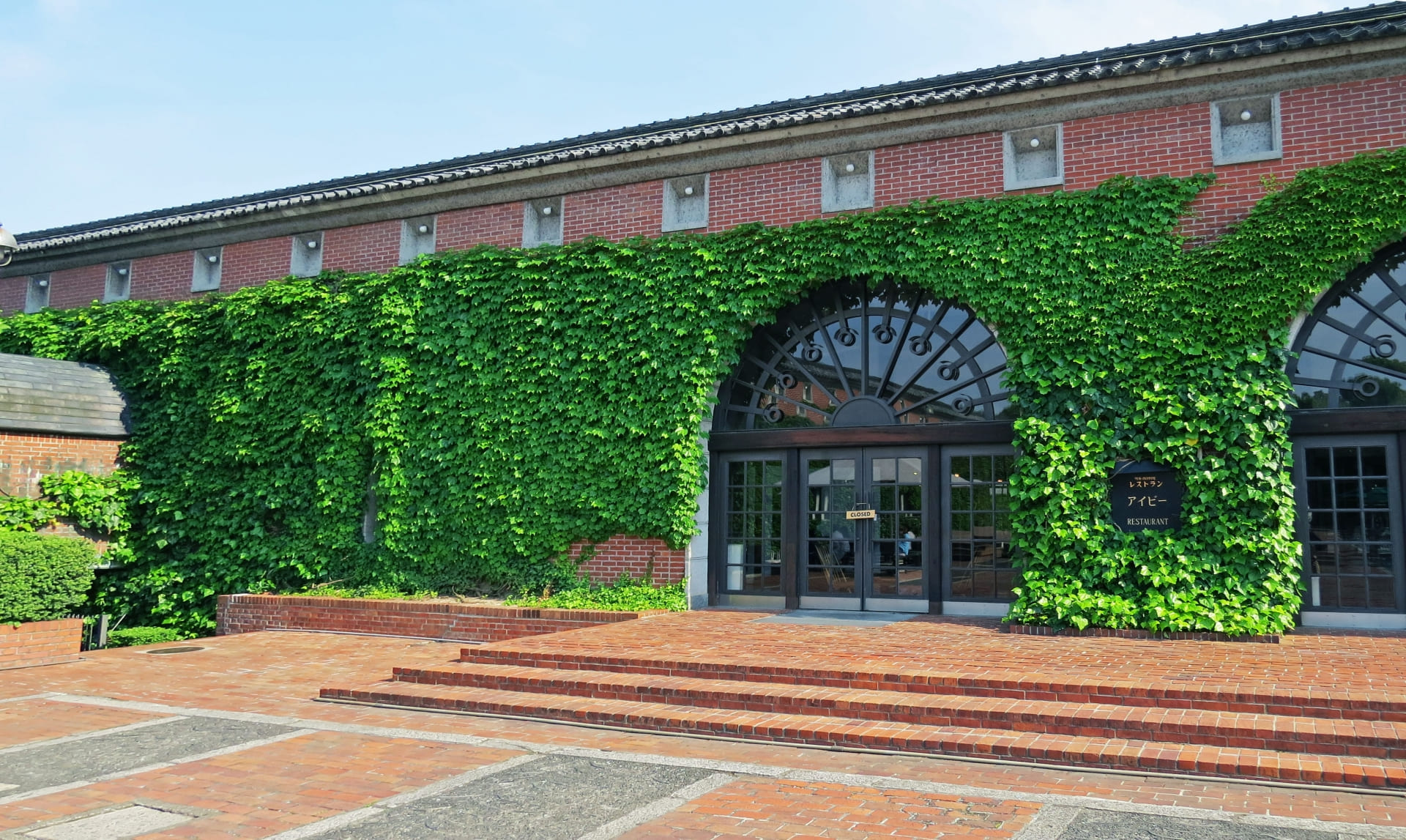
Built in 1889 as the Kurashiki Spinning Mill, this red-brick complex has been redeveloped into a mixed-use facility. Dense ivy covers the exterior walls, preserving the atmosphere of the original industrial heritage site. Ivy Square sits at the eastern edge of the Bikan Quarter, about a 5-minute walk from Ohara Museum.
The complex includes a hotel, restaurant, gift shops, and craft workshops. Many areas can be explored free of charge. Step into the courtyard and you are greeted by a striking contrast of red brick and green ivy — a popular spot for photos among visitors.
- Exterior and courtyard viewing is free (hotel stays and workshops are charged separately)
- Kimono and yukata rental available (9:00 AM – 6:00 PM, last booking 5:30 PM)
- The Kura-bo Memorial Museum (history of Kurashiki Spinning) is located nearby (to be verified)
Food, Sweets & Shopping
Traditional townhouse cafés, sweet shops, and denim goods stores are scattered throughout the Bikan Quarter. Kurashiki is the birthplace of Japan’s denim industry, and the area has its own distinct food culture built around Okayama’s famous fruit produce.
Lunch and Light Bites
- **Yurin-an:** Set in a 100-year-old traditional townhouse near the entrance of the Bikan Quarter. Famous for its ‘Happiness Pudding’ made with Okayama-grown ingredients.
- **Kurashiki Momoko (Shirakabe Main Store):** Known for fruit parfaits featuring Okayama’s white peaches and Shine Muscat grapes in season. Lunch sets also available.
- **Demi Katsu Don:** An Okayama specialty — a pork cutlet rice bowl topped with demi-glace sauce. Available at several eateries in and around the Bikan Quarter.
Street Food & Souvenirs
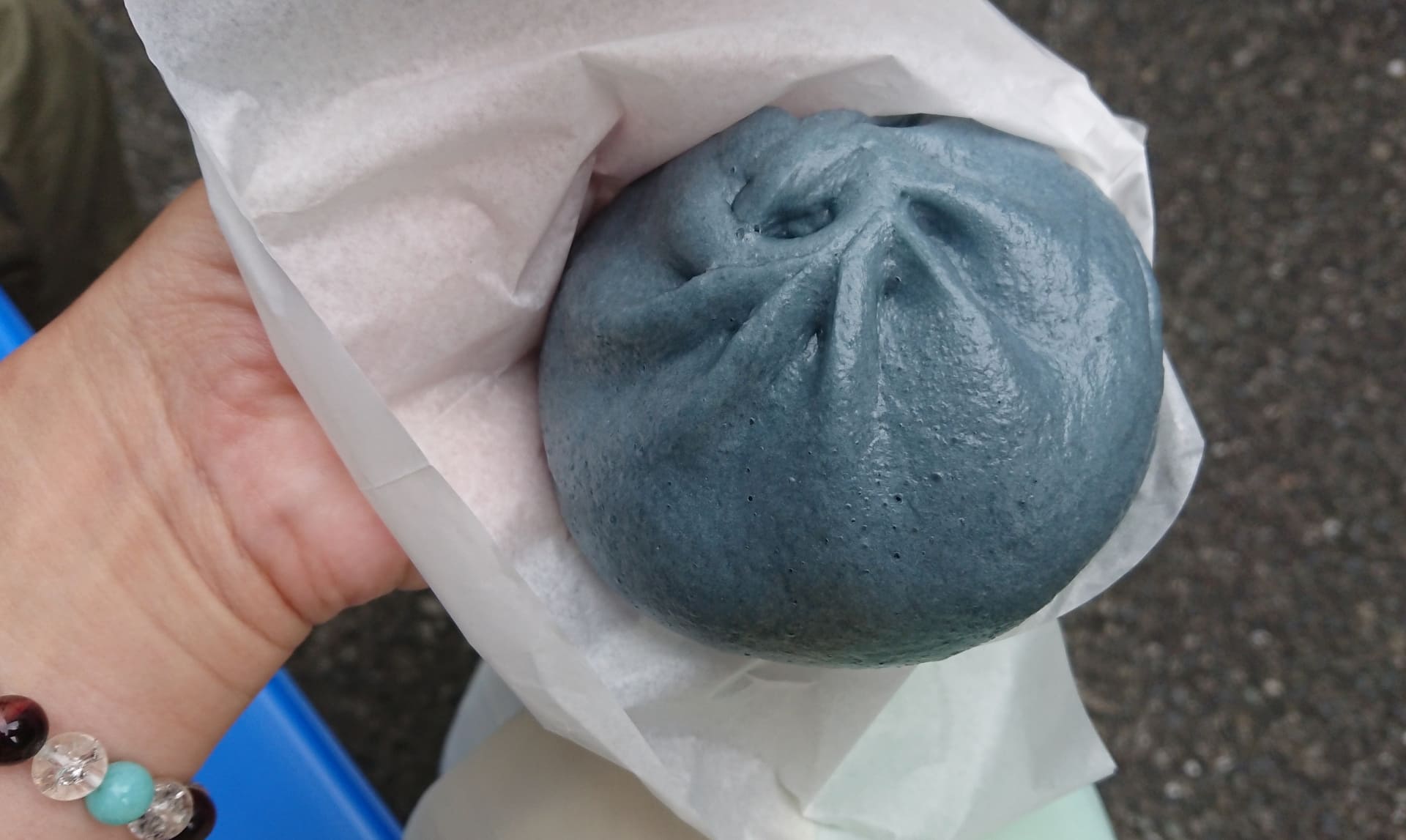
- **Kurashiki Denim Street:** A stretch of shops selling apparel and goods made from locally woven Kurashiki denim. Try the ‘Denim-man’ — a steamed bun dyed indigo blue to mimic the look of denim.
- **Muscat-based sweets:** Okayama is renowned for its Shine Muscat grapes and white peaches. Seasonal fruit confections are sold at souvenir shops and fruit stalls throughout the quarter.
Visitor Tips: Crowds, Seasons & Time Needed
The Bikan Quarter is open year-round, but weekends and the cherry blossom and autumn foliage seasons attract the largest crowds. Arriving early to secure river boat tickets and visiting Ohara Museum before the midday rush makes for the most efficient day.
| Season | Highlights | Crowd Level |
|---|---|---|
| March–April (Spring) | Cherry blossoms against white walls; hanami (flower viewing) along the Kurashiki River | High (especially weekends) |
| May–August (Summer) | Lush ivy at Ivy Square in full leaf | Moderate |
| October–November (Autumn) | Autumn foliage along willow-lined canals; subdued, atmospheric streetscape | High (especially November) |
| December–February (Winter) | Fewer crowds; quiet and calm atmosphere | Low |
- **Time needed:** Ohara Museum alone takes 2–2.5 hours; add the Folk Craft Museum and Ivy Square for a full 5–6 hours
- **Train beats driving:** Parking near the Bikan Quarter is limited and fills up quickly on weekends. Walking from JR Kurashiki Station is the most straightforward option
- **JR Pass friendly:** The Okayama–Kurashiki leg is covered by the Japan Rail Pass, making access essentially free for international visitors who already hold one
Summary
Kurashiki Bikan Historical Quarter is one of the best examples of a Japanese regional destination that works entirely without a car — just 17 minutes by train from Okayama Station, with all the main sights within a 500-meter (550-yard) radius.
- Access: JR Sanyo Line, Okayama → Kurashiki, approx. 17 min / ¥330 (approx. USD 2). Then 15 min on foot from Kurashiki Station.
- Ohara Museum of Art: Adults ¥2,000 (approx. USD 13). Open 9:00 AM – 5:00 PM (Mar–Nov). Closed Mondays.
- Kurashiki River Boat Ride: Adults ¥700 (approx. USD 5), approx. 20 min. Same-day tickets from 9:00 AM, first-come, first-served.
- Kurashiki Folk Craft Museum: Adults ¥1,200 (approx. USD 8). Open 10:00 AM – 5:00 PM. Closed Mondays.
- Kurashiki Ivy Square: Free to view the exterior and courtyard. Kimono rental available (9:00 AM – 6:00 PM).
- Best time to visit: Spring (Mar–Apr) or Autumn (Oct–Nov). For smaller crowds, aim for a weekday morning.