
What You’ll Learn in This Article
- How 4 major Shimanto River canoe operators compare — courses, prices, and age requirements
- Why the Shimanto River is a great choice for first-time paddlers
- Best months to go canoeing and what to expect each season
- How to get to Shimanto from Kochi, Takamatsu, and Matsuyama
- What to do after canoeing: submersible bridges, wild eel, and local river food
What Is the Shimanto River? Japan’s Last Free-Flowing Clear Stream
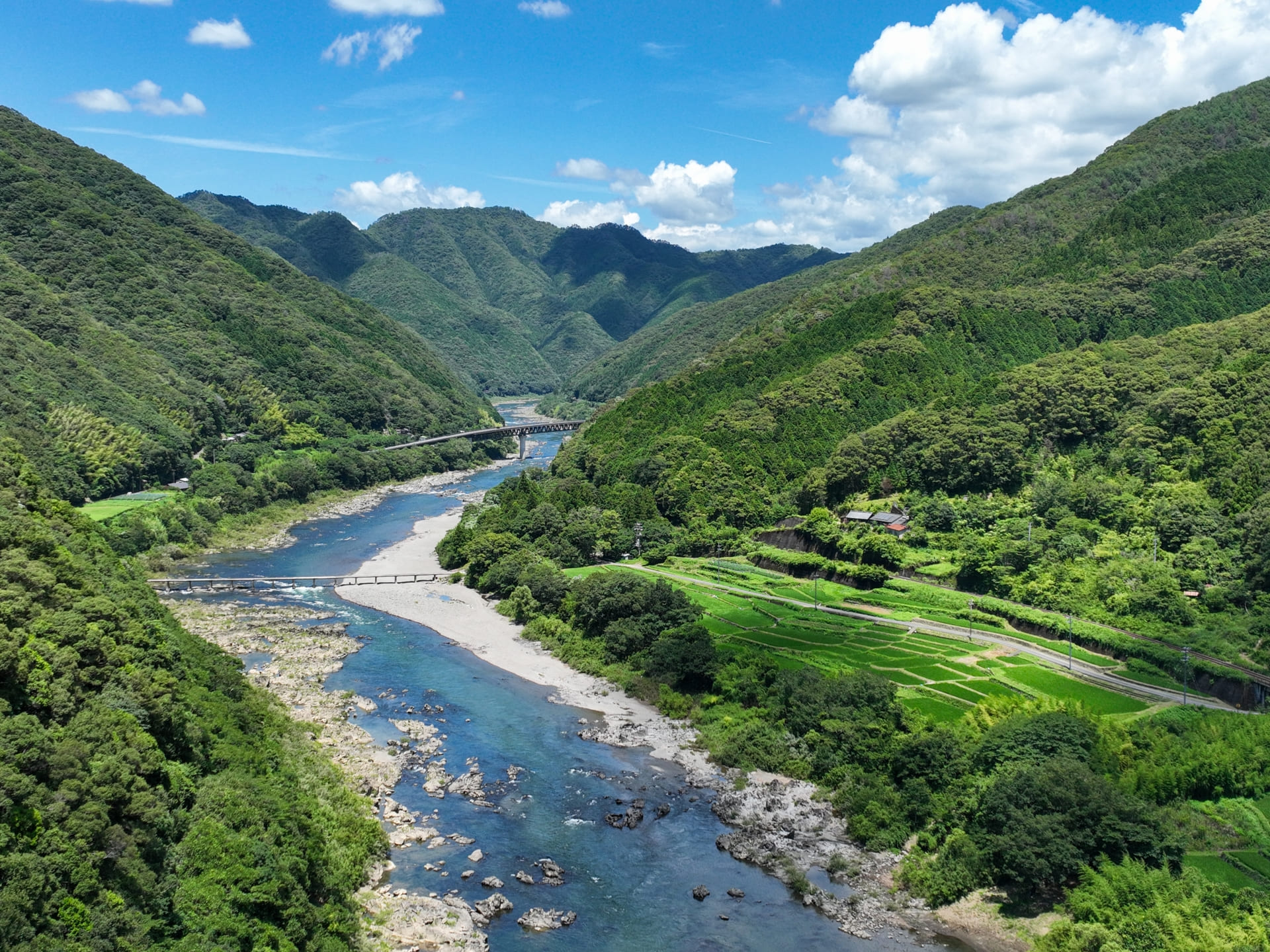
The Shimanto River (四万十川) flows 196 km (122 miles) through western Kochi Prefecture and is widely known as Japan’s last major undammed clear stream. The sight of its transparent water and iconic submersible bridges draws visitors from across Japan and abroad.
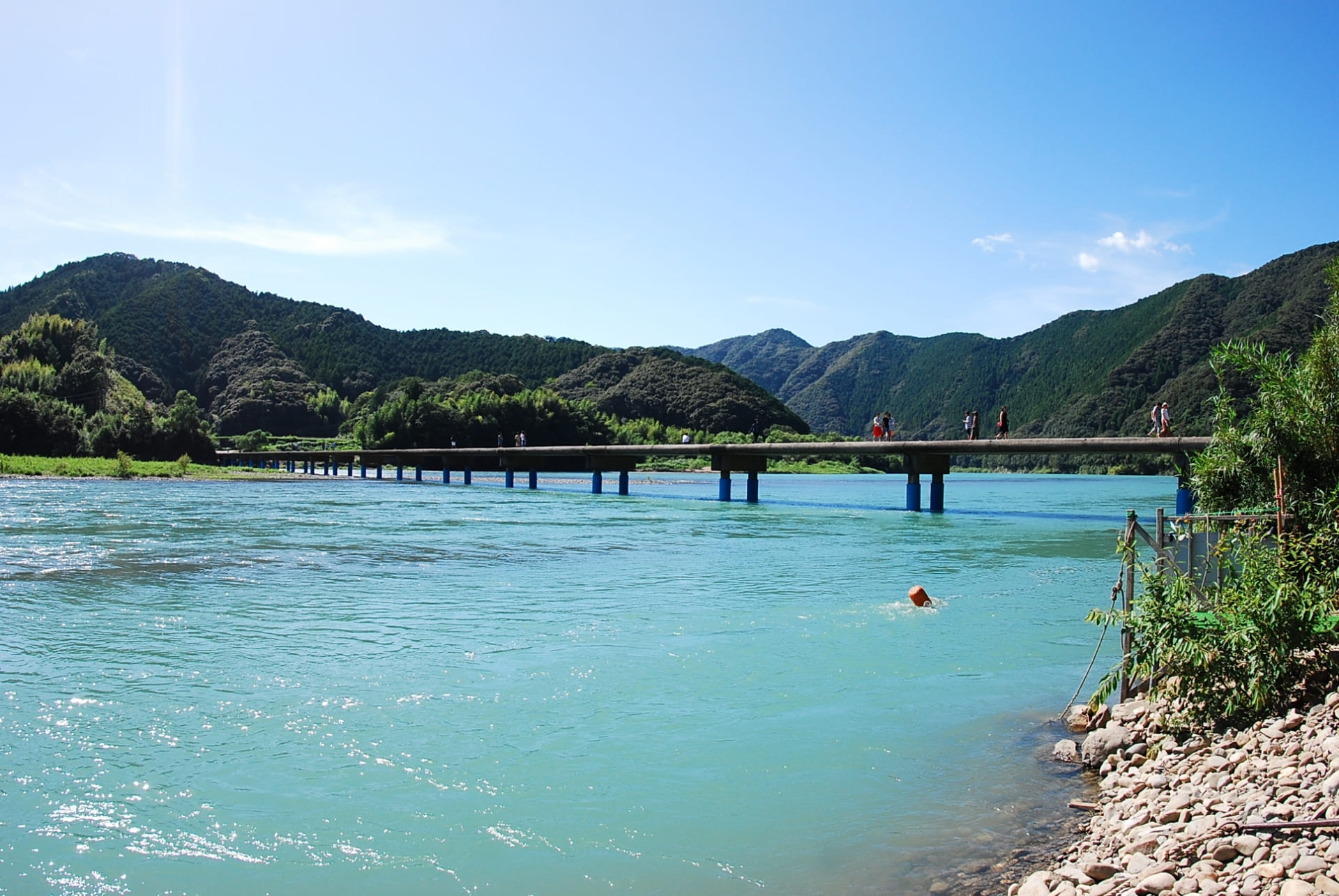
The river’s most distinctive feature is its chinka-bashi (沈下橋) — low concrete bridges built without guardrails, designed to submerge safely during floods. Eight of these bridges survive along the river, and paddling beneath them is one of the highlights of any canoe trip.
- Largely undammed, preserving water quality: habitat for wild eel, ayu sweetfish, and gori (Rhinogobius fish)
- Designated an Important Cultural Landscape by the Agency for Cultural Affairs in 2009
- 8 surviving submersible bridges — canoes can pass beneath them
- Shikoku’s longest river at 196 km: scenery changes dramatically from source to mouth
Shimanto River Canoe Tour Operators: A Comparison of 4 Options
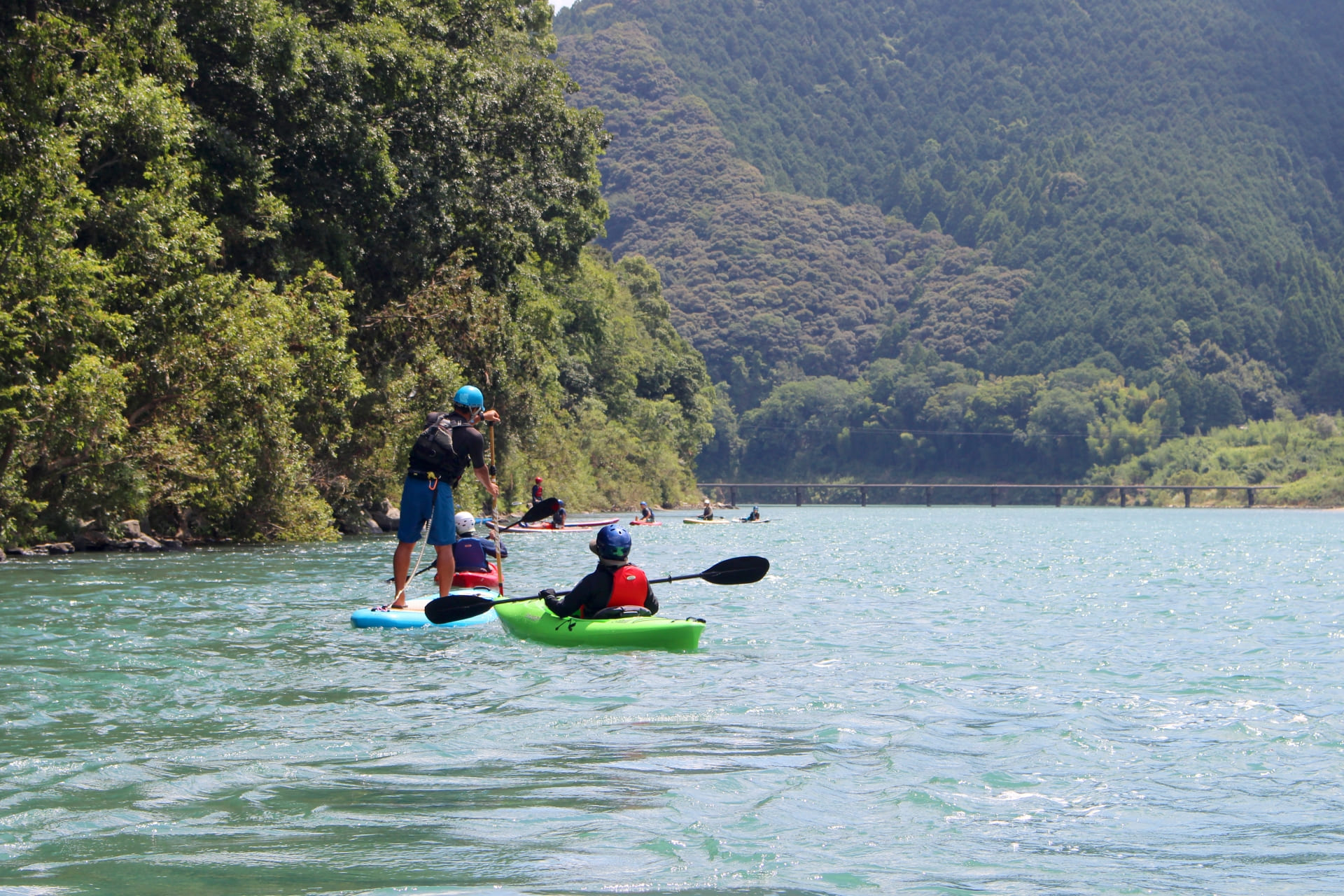
Several canoe tour companies operate along the Shimanto River, each with different course lengths, pricing structures, and booking policies. Here’s how the four main operators compare so you can choose the right fit.
Shimanto Kawa-no-Eki Canoe-kan
Based in Nishi-Tosa, Shimanto City, Canoe-kan has over 15 years of experience and is one of the most established operators on the river. Its strong focus on beginner safety makes it a reliable first choice for those new to canoeing.
Both half-day and full-day courses are available. Two daily slots are offered: morning (check-in 8:30–9:00) and afternoon (check-in by 13:00). Advance booking is recommended, though same-day walk-ins may be accepted if space allows (to be verified).
Kawarakko — Shimanto Canoe & Camping
Kawarakko is a riverside facility in Shimanto City combining a canoe experience with an adjoining campsite. It accepts walk-in bookings, making it easy to join spontaneously — but expect crowds during peak summer season.
Minimum age is Grade 3 elementary school (approx. age 8–9) and minimum height 140 cm (4’7″). Pricing: ¥6,000 per adult, ¥5,000 for middle school age and under (approx. USD 40 / USD 33; as of March 2026 — to be verified). Plans range from a half-day paddle to an overnight camping package.
Good River Shimanto & Shimanto Base
Good River Shimanto specializes in gentle-current courses ideal for paddlers who prefer a relaxed pace. Shimanto Base offers multiple short and half-day options, making it easy to fit a canoe session into a tight itinerary.
Detailed pricing and booking procedures are available on each operator’s website (to be verified). Both may also accept bookings through platforms like Klook.
| Operator | Price (Adult) | Min. Age/Height | Walk-ins | Notes |
|---|---|---|---|---|
| Canoe-kan | To be verified | Grade 4+ / 130 cm (4’3″)+ | Yes (if available) | 15+ years experience, morning & afternoon slots |
| Kawarakko | ¥6,000~ (approx. USD 40) | Grade 3+ / 140 cm (4’7″)+ | Yes | Campsite on-site, overnight packages available |
| Good River Shimanto | To be verified | To be verified | To be verified | Gentle current, good for beginners |
| Shimanto Base | To be verified | To be verified | To be verified | Short-duration courses available, flexible plans |
Point
Prices and availability change by season. Contact each operator directly or check their official websites before you go — advance booking is strongly recommended.
Best Season for Canoeing the Shimanto River
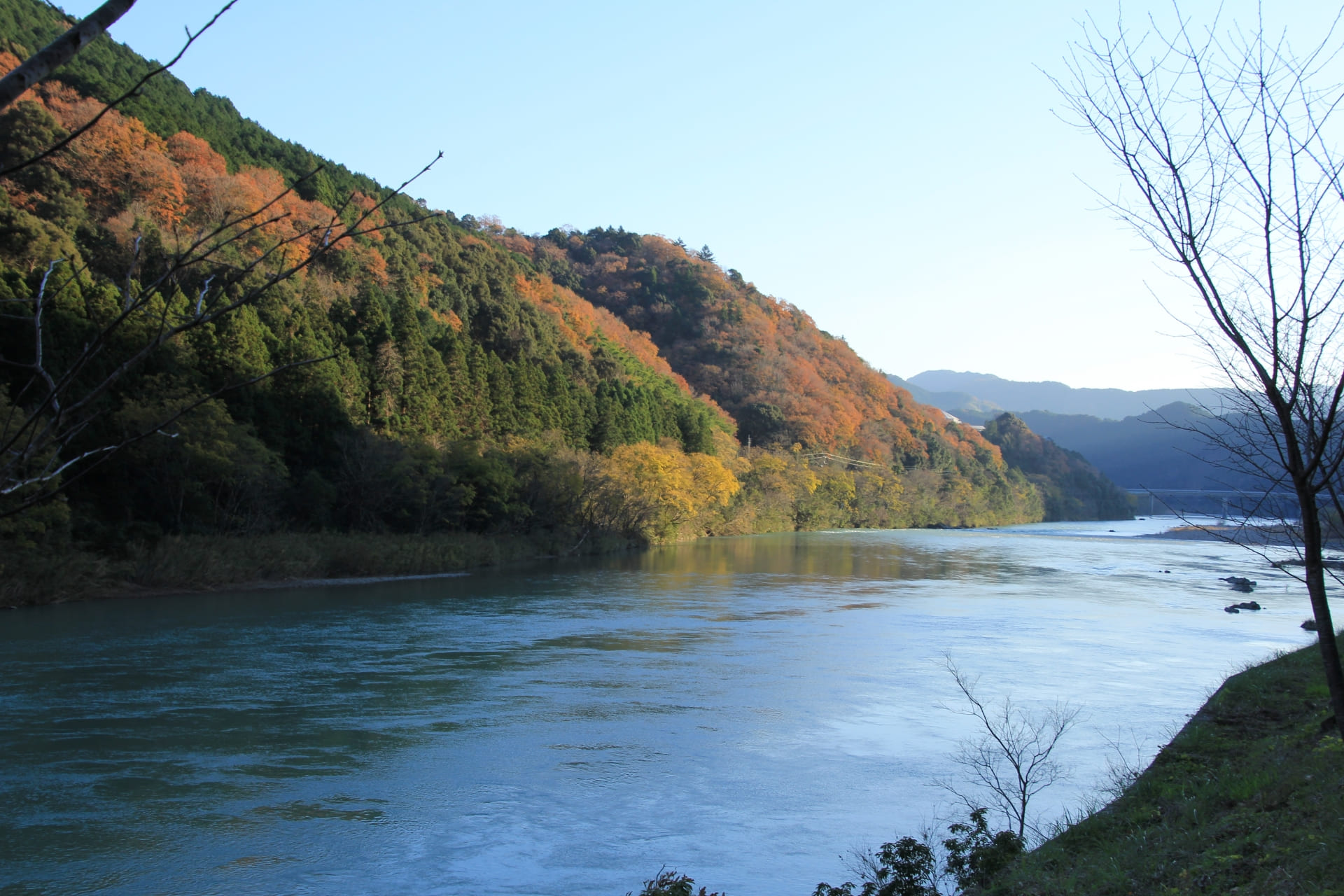
The main canoeing season runs from April through October. Spring and autumn offer the best combination of comfortable weather and manageable water levels. Summer is popular but crowded.
| Period | Weather / Water Temp | Crowds | Rating | Notes |
|---|---|---|---|---|
| Apr–May | Cool to comfortable | Moderate | ◎ | Fresh greenery, ayu season opens, water slightly cold |
| June | Warm & humid | Low–Moderate | ○ | Rainy season — flood risk may cause tour cancellations |
| Jul–Aug | Very hot | High | ○ | Summer holidays; busy but great for water play |
| Sep–Oct | Comfortable | Moderate | ◎ | Autumn foliage begins; stable water levels |
| Nov–Mar | Cold | Low | △ | Some operators may close for winter (to be verified) |
Warning
During the rainy season (June) and typhoon season (August–September), tours may be cancelled due to high water levels. Always confirm cancellation and refund policies when booking.
Your First Canoe Experience: What to Expect and What to Bring
No prior paddling experience is needed — every tour starts with an on-site safety briefing. Knowing what to prepare in advance will make your day run smoothly.
How a Typical Half-Day Tour Works
From check-in to finishing up, a half-day course takes around 3–4 hours. The techniques involved are simple: most participants are paddling confidently within the first 10 minutes.
- Arrive and complete registration forms (30–60 minutes before departure)
- Fit life jacket and paddle; attend safety briefing (20–30 minutes)
- Launch onto the river and paddle downstream with an instructor (approx. 4 km / 2.5 miles)
- Pass beneath a submersible bridge; observe riverside nature
- Arrive at the finish point; change and return equipment
What to Pack: Gear & Clothing Checklist
Getting wet is part of the experience — plan your clothing accordingly and bring a full change of clothes.
- A complete change of clothes (staying in wet clothes on the drive back is uncomfortable)
- Water-friendly clothing — quick-dry fabric or a rash guard recommended
- Secure sandals or water shoes (flip-flops that could slip off are not suitable)
- Several towels
- Water-resistant sunscreen
- Waterproof bag for valuables (some operators provide these — to be verified)
Warning
Even when the river looks calm, currents beneath the surface can be strong during high-water periods. If the water looks murky or debris is floating downstream, follow your operator’s guidance and respect any cancellation decision.
Getting to the Shimanto River from Kochi, Takamatsu & Matsuyama
Shimanto City (Nakamura Station) is the main gateway. The Limited Express from Kochi is the most straightforward option; travelers coming from Takamatsu or Matsuyama will need to transfer, making a rental car a practical alternative.
| From | Transport | Journey Time | Approx. Cost | Notes |
|---|---|---|---|---|
| Kochi City | Limited Express Ashizuri (JR Dosan Line) | Approx. 2 hours | Approx. ¥2,900 (USD 19)+ (to be verified) | Kochi → Kubokawa → Nakamura Station |
| Kochi City | Rental car | Approx. 2 hours | Fuel + rental fee | Via Kochi Expressway |
| Matsuyama City | Rental car | Approx. 2 hrs 50 min | Fuel + rental fee | Via Matsuyama Expressway → Mima IC |
| Takamatsu City | Limited Express + transfer | Approx. 4–5 hours | To be verified | Transfer to Ashizuri at Kochi Station |
Info
Most canoe launch points are a distance from Nakamura Station and are not easily walkable. A rental car or taxi will likely be needed after arrival — confirm whether your chosen operator offers a shuttle service (to be verified).
If you’re basing yourself in Matsuyama or Dogo Onsen and plan to extend your trip into Kochi, see our guide: First Trip to Ehime: A 1-Night 2-Day Plan Covering Dogo Onsen and Matsuyama Castle.
After the Paddle: Submersible Bridges & Shimanto River Food
After your canoe session, the natural next step is walking across one of the river’s iconic bridges and sitting down for a riverside meal. Many local restaurants close by early evening, so plan to eat before sunset.
Submersible Bridge Walks: Sada and Iwama
The most photographed of the eight bridges is Sada Chinka-bashi at the river’s lower reach — at 291.6 m (956 ft) it is the longest on the Shimanto and appears in countless travel photos of Kochi.
Iwama Chinka-bashi, built in 1966 and 120 m (394 ft) long, is frequently included on canoe routes, offering paddlers a close-up view from below. The access road by car is narrow — drive carefully (to be verified).
Local Food: Wild Eel, Ayu Sweetfish & Gori
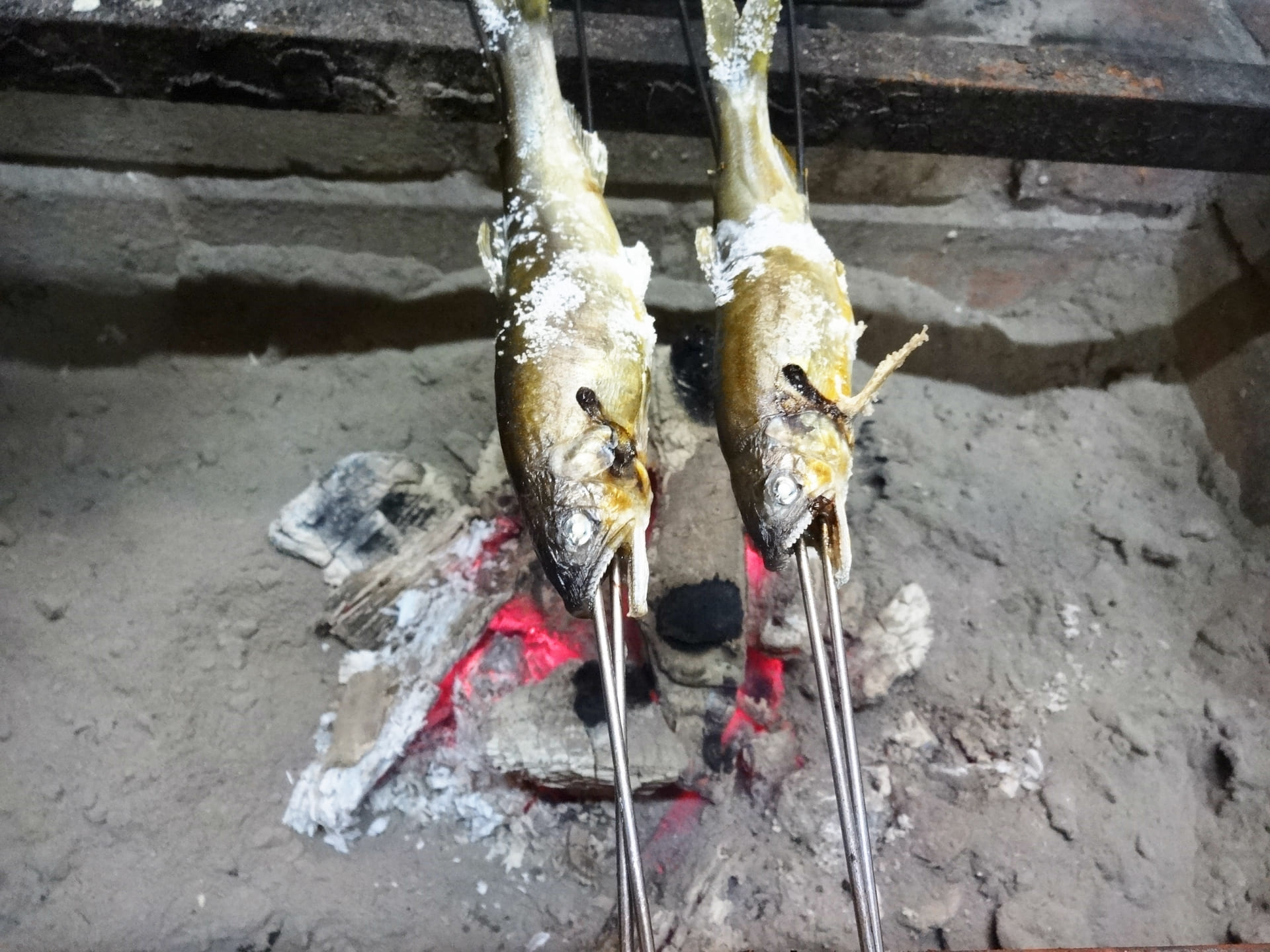
The Shimanto is famous for wild-caught unagi (freshwater eel) and ayu (sweetfish). Both have firmer flesh and a stronger river aroma than farmed varieties. Gori — a small endemic fish (Rhinogobius) — cooked in egg is a dish you’ll only find here.
- Shimanto-ya: serves the “Ishiguro Gozen” set — eel, gori, river shrimp, and ayu in nanban sauce on one tray
- Kyodo Ryori Hanazen: traditional Shimanto cuisine featuring eel and ayu for lunch and dinner
- Yakatabune Shimanto-no-Ao: river cruise boat serving salt-grilled ayu and eel kabayaki while you float downstream
Info
Wild eel fishing is banned from October through March. During this period, most restaurants serve frozen eel instead. If eating fresh wild eel is a priority, plan your visit between April and September (to be verified — varies by restaurant).
Where to Stay: Shimanto City vs Riverside Onsen Ryokan
Accommodation near the Shimanto falls broadly into two types: business hotels and guesthouses near Nakamura Station (convenient for onward travel), or riverside onsen ryokan (traditional inns with hot springs) for a more immersive stay.
| Base Type | Features | Approx. Price | Best For |
|---|---|---|---|
| Shimanto City (Nakamura area) | Convenient transport links, convenience stores and restaurants nearby | To be verified | Travelers with an early departure the next day |
| Towa Onsen | Riverside hot-spring inn; serves wild ayu and eel | From ¥16,500 / person (2 meals incl., approx. USD 110) | Those who want to soak in the river atmosphere |
| Matsubagawa Onsen | Near the Shimanto headwaters; a hot spring known since the Edo period | To be verified | Nature seekers wanting to stay near the source |
| Kawarakko (campsite) | Tent and cottage stays; canoe access again next morning | To be verified | Outdoor enthusiasts on a budget |
The Shimanto River pairs naturally with Shimanami Kaido cycling as a two-activity Shikoku itinerary. A route from Imabari (Ehime) through to Kochi can fit both experiences into 2–3 nights.
Summary
The Shimanto River offers well-structured canoe tours that genuinely work for first-time paddlers. Book ahead for the best season, combine with the bridges and local food, and you’ll have one of Kochi’s most memorable outdoor experiences.
- Choose from 4 operators — confirm pricing, age requirements, and booking method with each before you go
- Best seasons: April–May (fresh greenery) and September–October (autumn foliage). Rainy season and typhoon season carry cancellation risk
- Getting there: approx. 2 hours from Kochi by Limited Express. A rental car is recommended for flexibility on arrival
- After paddling: walk Sada or Iwama chinka-bashi, then dine on wild eel, ayu, or gori
- For fresh wild eel, avoid the closed season (October–March)