What You’ll Learn in This Article
- Japan is still largely a cash-based country — always keep some yen on hand during your trip
- Trains are quiet and orderly; avoid phone calls, eating, and loud conversations on board
- Tipping is not customary in Japan and can cause awkward confusion — say thank you instead
- Public trash cans are rare, so carry a small bag for garbage until you find a bin
- Convenience stores (combini) are your best friend: ATMs, hot meals, and daily essentials in one place
1. Carry Cash — Japan Is Still Largely Cash-Based
While cashless payments are growing in Japan, many local restaurants, shrines, and rural tourist facilities still accept cash only. A good rule of thumb is to keep at least 30% of your travel budget in yen.
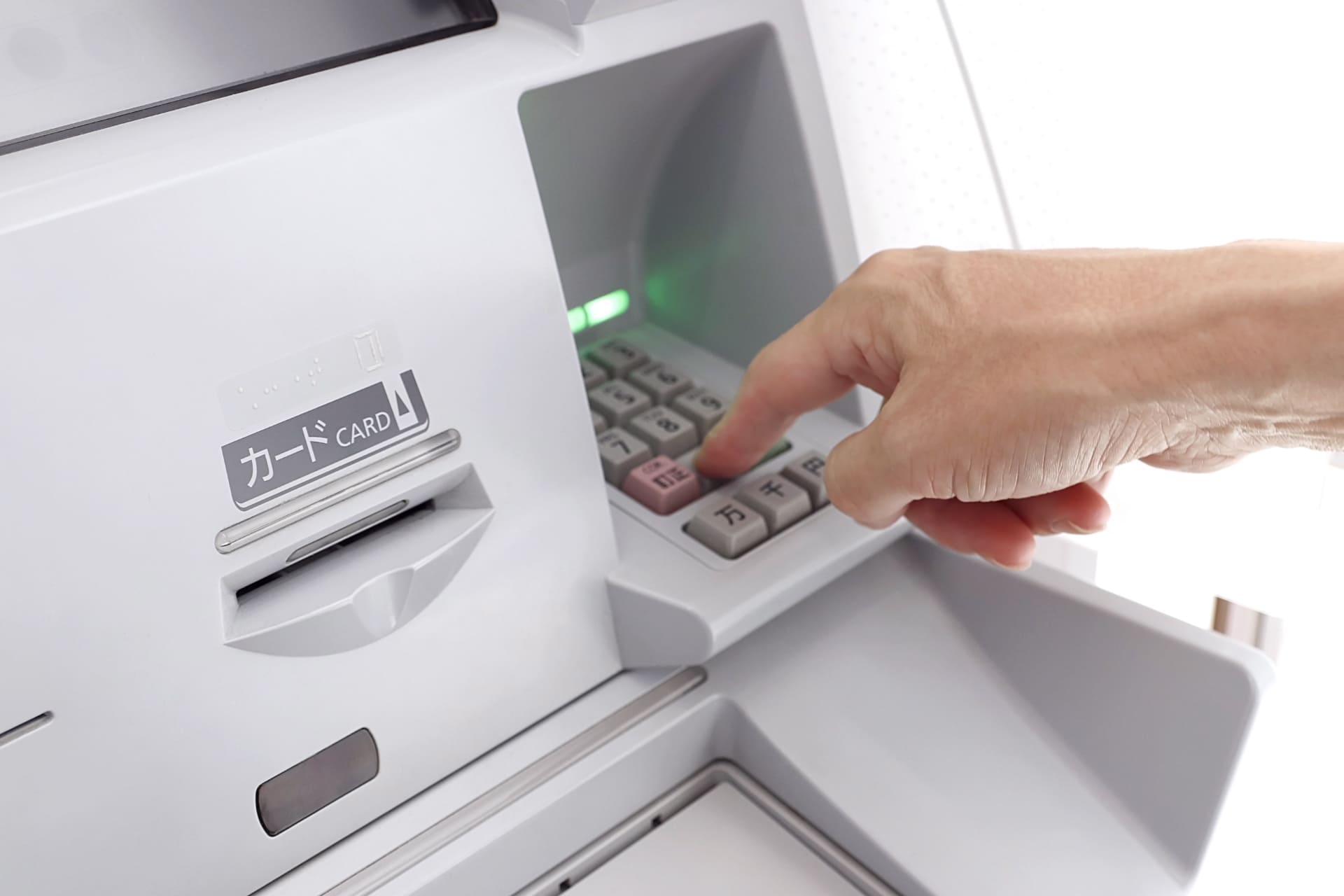
ATMs at post offices (Japan Post), 7-Eleven (Seven Bank), and AEON Bank accept most foreign-issued cards and are available at airports and major train stations. Withdrawing cash as soon as you arrive is the most reliable approach.
Info
Some regional and local buses do not accept IC cards like Suica. Keep small change handy when boarding buses in rural areas to make boarding faster and easier.
2. Know the Unwritten Rules on Trains
Japanese trains are famously punctual and quiet. Since trains are the main way to get around cities and tourist areas, knowing the basics will help you travel without friction.
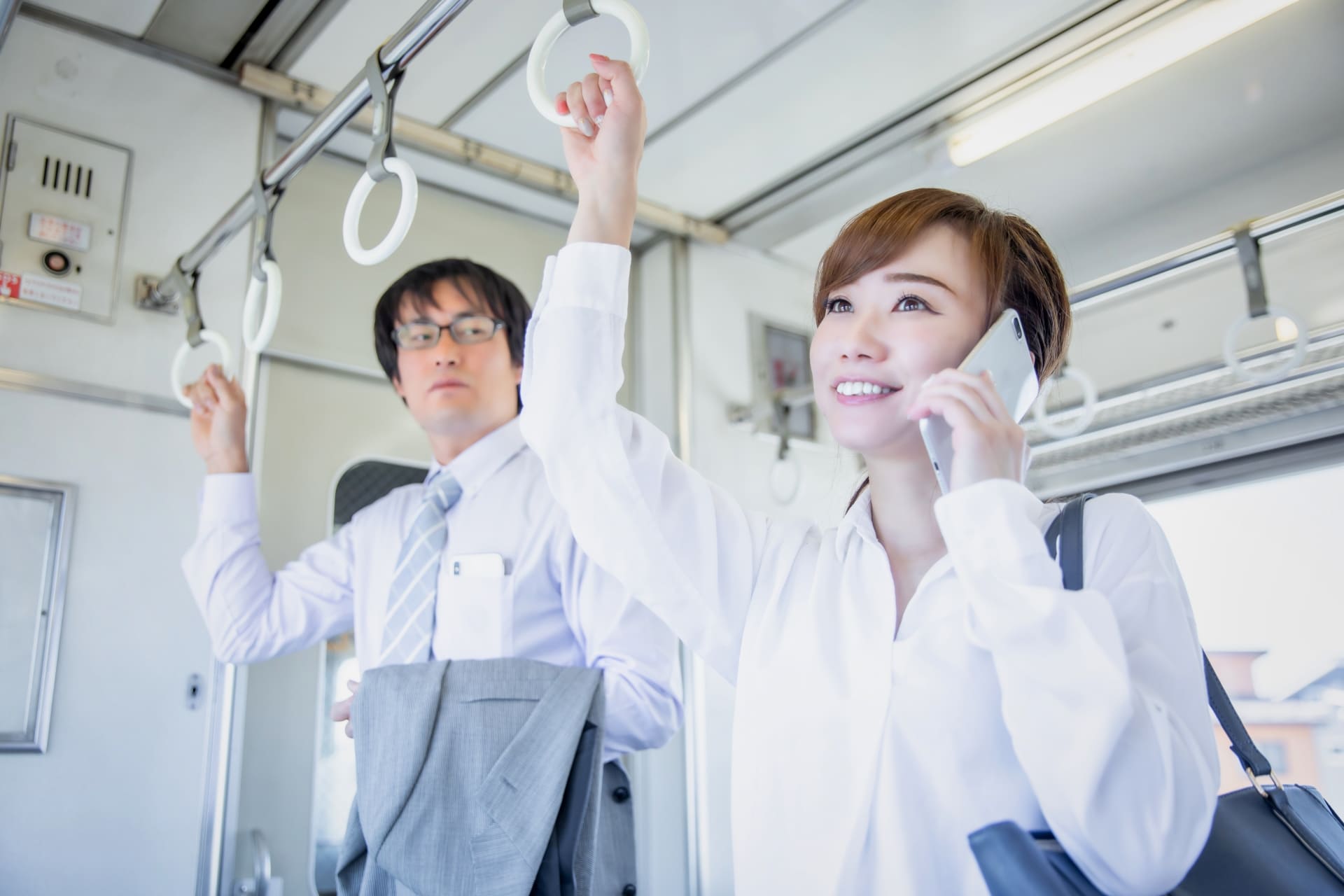
- Avoid phone calls on trains — set your phone to silent or vibrate mode
- Some lines ask passengers near priority seats to power off their devices
- Eating is generally acceptable on long-distance shinkansen (bullet trains) and limited express trains, but not on regular commuter trains
- Line up on the platform and wait for passengers to exit before boarding
- On escalators, stand to one side — which side varies by region (left in Tokyo, right in Osaka)
If you plan to take the shinkansen or JR limited express trains frequently, buying a Japan Rail Pass before your trip can significantly cut your transport costs.
3. Do Not Tip — It Is Not Part of Japanese Culture
Tipping is simply not done in Japan. At restaurants, ryokan (traditional inns), and taxis alike, the service fee is already included in the price.
If you leave money on the table, staff may chase after you thinking you forgot it. The best way to show appreciation is to say “gochisousama deshita” (ごちそうさまでした — thank you for the meal) at a restaurant, or simply “arigatou” (ありがとう — thank you) with a smile.
Info
A small traditional gratuity called kokorozuke (心づけ) was once customary at some high-end ryokan, but many inns now decline it. Check the policy of your specific accommodation in advance. (to be verified)
4. Carry Your Trash — Public Bins Are Rare
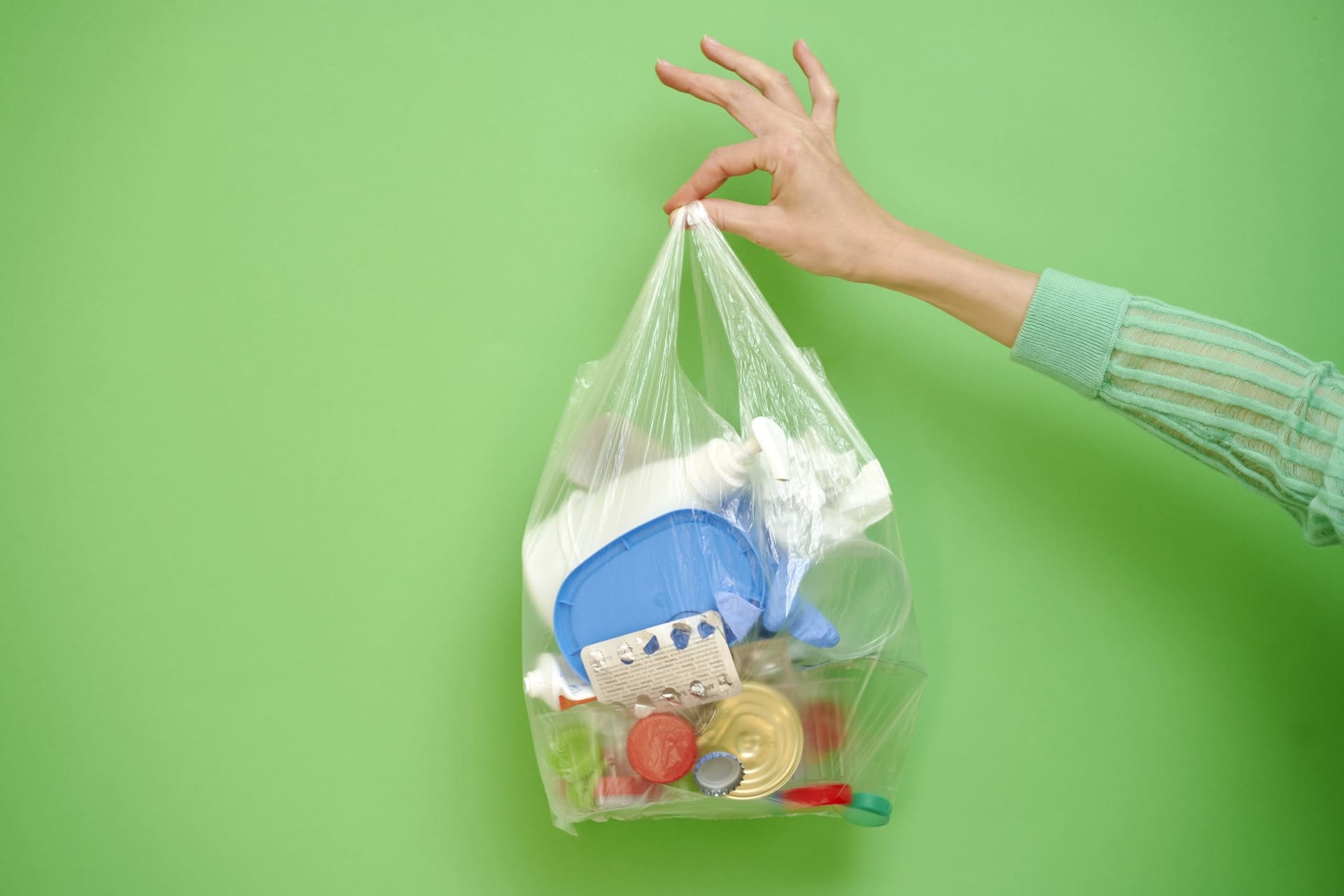
Japan’s streets are remarkably clean, yet public trash cans are surprisingly rare. The standard practice is to dispose of convenience store trash at the in-store bins, or carry it with you until you return to your hotel.
Popular food-stroll areas like Asakusa and Arashiyama sometimes have dedicated bins, but as a rule of thumb, assume there will be nowhere to throw trash once you are out on the street.
Point
Carrying a small eco bag or pouch is handy for holding trash temporarily — it doubles as a shopping bag too, since many stores in Japan charge for plastic bags.
5. Be Ready to Remove Your Shoes
At ryokan, some restaurants, and certain areas of shrines and temples, you will be expected to remove your shoes at the entrance. This can catch first-time visitors off guard, so wear shoes that slip on and off easily.
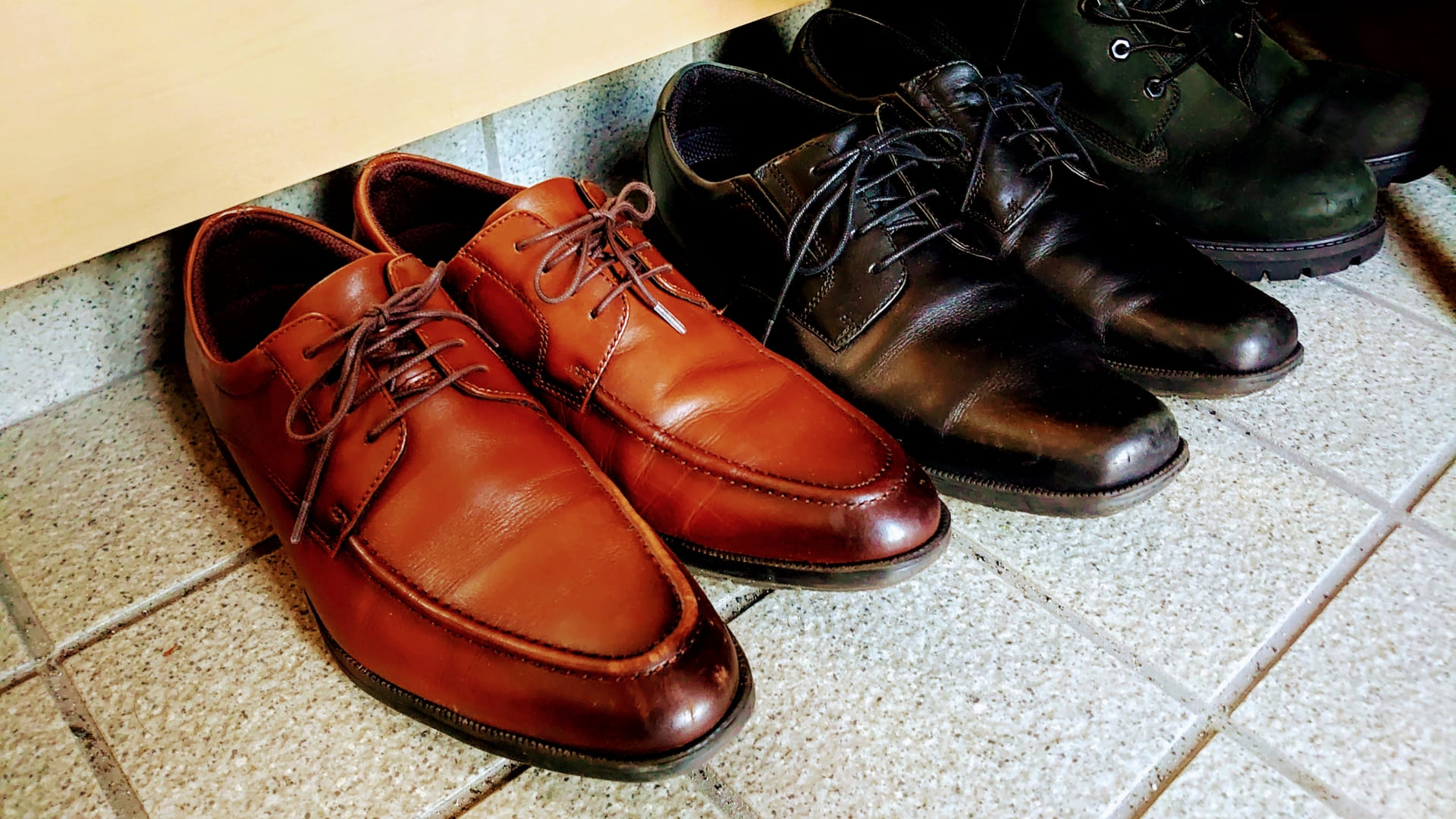
- At ryokan, slippers are provided for use in hallways and common areas
- Restaurants with tatami-mat seating (zashiki) typically require shoes off at the entrance
- Some shrines and temples ask visitors to remove shoes before entering inner halls
- Make sure your socks are hole-free — you will be walking around in them
6. Use Convenience Stores to Your Advantage
Japan’s convenience stores — Seven-Eleven, Lawson, FamilyMart — are far more useful than their name suggests. They function as a bank, cafeteria, and general store rolled into one, open 24 hours a day.
- ATM: Seven Bank and Lawson Bank ATMs accept foreign cards and are available 24/7
- Food: onigiri (rice balls), sandwiches, and hot bento boxes range from ¥150–600 (approx. USD 1–4)
- Essentials: umbrellas, medicine, socks, phone charging cables — all covered in a pinch
- Printing: use the multifunction copier to print passport copies or travel documents yourself
- Tickets: some convenience stores sell event and transportation tickets (to be verified for specific tickets)
7. Prepare for Language Barriers Outside Major Cities
Tourist spots in Tokyo, Osaka, and Kyoto have good English signage and staff, but the further you go into the countryside, the fewer English speakers you will encounter. A translation app and a willingness to gesture goes a long way — do not hesitate to approach people.
Google Translate’s camera feature can instantly translate menus and signs when you point your phone at them. Download the Japanese language pack for offline use before your trip so it works even without Wi-Fi.

Point
Starting with “sumimasen” (すみません — excuse me) before showing your translation app signals politeness and puts people at ease. Most locals will do their best to help.
Summary
The three most important things to remember for your first trip to Japan: have cash ready, skip the tip, and follow train etiquette. A little preparation goes a long way toward reducing surprises on the ground.
- Keep at least 30% of your budget in cash — post offices and convenience store ATMs accept foreign cards
- Stay quiet on trains; avoid phone calls and eating on commuter lines
- No tipping — express gratitude with words and a smile
- Public trash cans are rare; carry your garbage until you find a bin
- Wear easy-on, easy-off shoes — you will remove them more than you expect
- Convenience stores are your all-in-one hub for cash, food, and daily supplies
- Download a translation app’s Japanese offline pack before you leave home