What You’ll Learn in This Article
- Many of Shikoku’s top sights are difficult or impossible to reach by public transport alone
- Operating hours at tourist spots and restaurants are often short or irregular — check ahead before you go
- Cash is still king in rural Shikoku; ATMs become scarce once you leave the main cities
- Popular accommodations at Dogo Onsen and island destinations book out early during peak seasons
- Distances between the four prefectures are larger than they look — plan 2–3 hours for inter-prefecture travel
Shikoku is easy to reach from the Japanese mainland, yet first-time visitors often find it more distinctive than expected. There are no Shinkansen lines, trains run infrequently, and the highlights are spread across four prefectures with varied terrain. Here are seven things worth knowing before your trip.
1. Many Sights Can’t Be Reached by Public Transport Alone
One of the most important things to know about Shikoku is that many tourist spots are simply not accessible by train or bus alone. Mountain villages, coastal communities, and remote islands all require advance planning — or a rental car.
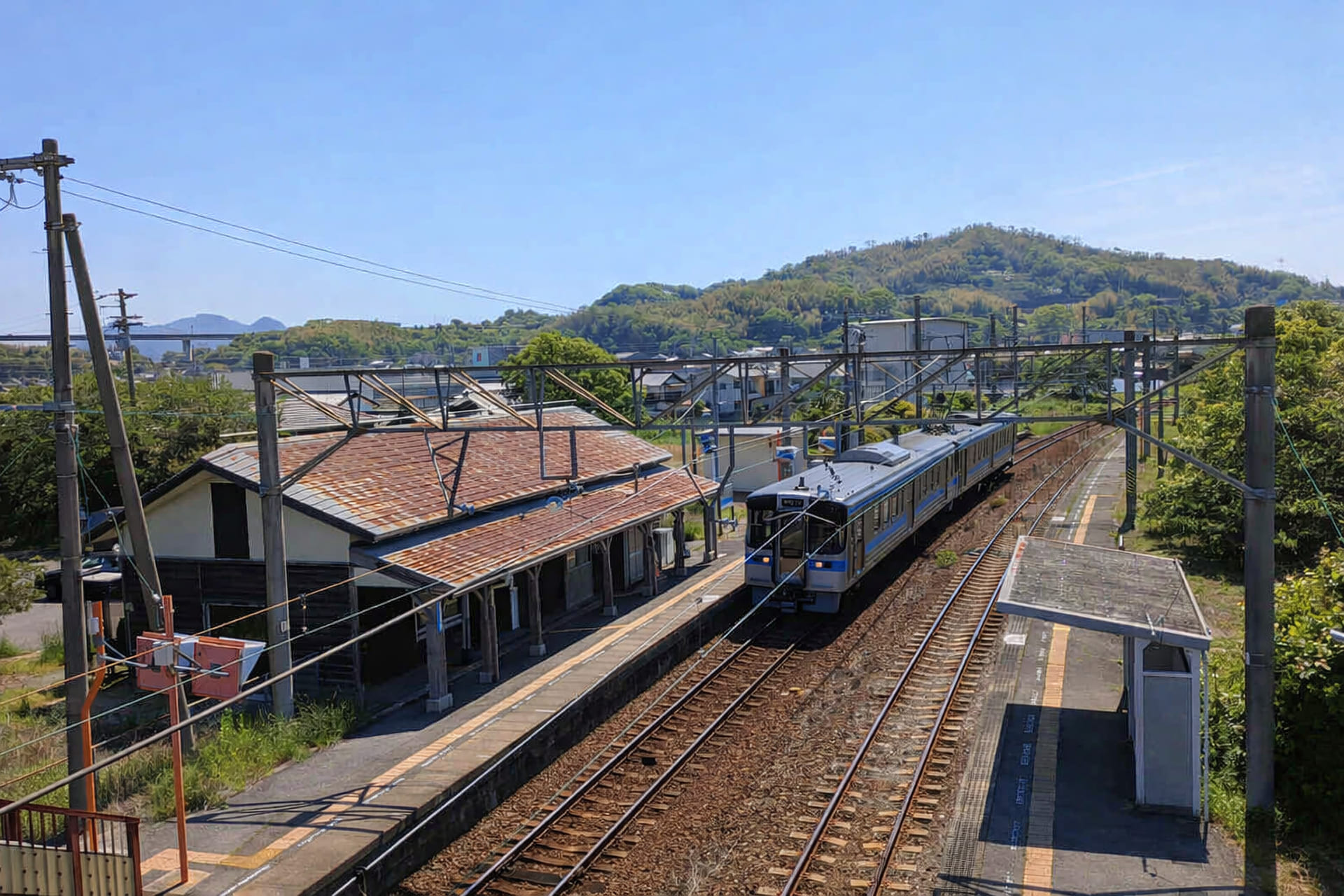
JR Shikoku connects the four main cities — Takamatsu, Matsuyama, Kochi, and Tokushima — but most tourist attractions are a significant distance from any station. Chichigahama Beach, the Shimanto River, the Niyodo River valley, Iya Valley, and Kashiwajima Island all have very limited bus service; some areas have only a handful of buses per day, while others have no public transport at all.
Point
Renting a car dramatically increases your freedom in Shikoku. Rental companies are available at airports and major stations in all four prefectural capitals.
If you plan to travel by public transport only, check JR Shikoku and local bus timetables carefully before you leave. The right approach is to decide which places you want to visit first, then work backward from there to figure out how to reach each one.
2. Check Operating Hours Before You Arrive
Tourist facilities, restaurants, and experience workshops in rural Shikoku often keep short hours, close on irregular days, or operate seasonally. Finding a closed door after a long drive is a frustration that’s easy to avoid with a quick check beforehand.
This is especially true of farmhouse guesthouses, local diners, artisan workshops, and small ferries — many are owner-operated, and their websites may not always be up to date. A phone call or a check of their official social media on the morning of your visit is the most reliable approach.
Warning
Many popular experience activities — canoe tours, craft workshops — are fully reservation-based. Assuming you can walk in on the day often means the slots you want are already full.
Ferries and water taxis to islands without bridges also vary by weather, tide, and schedule. For any transport that is central to your plans, check multiple departure times in advance.

3. Carry More Cash Than You Think You Need
Credit cards and e-money are not accepted everywhere in rural Shikoku. The number of ATMs also drops considerably once you leave the main cities.
Udon shops, local diners, farm stands, and guesthouses tend to be cash-only. IC cards (Suica, PASMO, etc.) work at major JR Shikoku stations but are often not accepted on buses or at smaller tourist facilities.
Info
ATMs are available at 7-Eleven, FamilyMart, and Lawson convenience stores, but there are significant gaps in mountainous areas and on the islands. Withdraw a larger sum in cash at a city ATM before you head out.

4. Book Popular Accommodations and Ferries Early
Ryokan in popular hot spring areas like Dogo Onsen and Iya Onsen, and ferries to islands like Naoshima and Shodoshima, fill up quickly on weekends and public holidays. Last-minute booking often means your first choice is unavailable.
The Dogo Onsen area has limited capacity, and accommodations there can be fully booked more than a month in advance during Golden Week, summer holidays, and the New Year period. For island ferries (Naoshima, Shodoshima), there is also a risk of cancellation due to storms or strong winds — check multiple return departure times in advance so you are not stranded.
Point
Booking accommodation first, then arranging transport around it, generally makes the whole trip easier to plan.
- Dogo Onsen Complete Guide: Three Bathhouses, Admission Fees, and Access
- Naoshima: How to Spend a Full Day with Art
- Shodoshima Day Trip Plan from Takamatsu by Ferry
5. Shikoku Is Bigger Than It Looks — Don’t Underestimate Travel Times
Trying to cover all four prefectures in one trip can easily eat up entire days in transit. Inter-prefecture drives of 2–3 hours are standard, and routes through the mountains involve long stretches of winding road.
The table below shows approximate travel times between the main cities (to be verified). Budget 10–20% more than your navigation app suggests to account for mountain roads and urban traffic.
| From | To | By | Approx. Travel Time |
|---|---|---|---|
| Takamatsu | Kochi | Expressway (car) | Approx. 2 hrs |
| Matsuyama | Kochi | Expressway (car) | Approx. 2 hrs 30 min |
| Takamatsu | Tokushima | Expressway (car) | Approx. 1 hr 15 min |
| Tokushima | Kochi | Expressway (car) | Approx. 2 hrs |
| Takamatsu | Matsuyama | Limited Express (JR) | Approx. 2 hrs 30 min |
If your schedule is tight, it is better to focus on one or two prefectures and explore them in depth rather than rushing across all four.
6. Be Ready for Weather Changes — Especially During Rainy Season and Typhoon Season
Shikoku is one of Japan’s rainiest regions, with Kochi Prefecture ranking among the highest annual rainfall in the country. Weather can be unpredictable during the rainy season (mid-June to early July) and typhoon season (August to September).
In coastal and mountainous areas, heavy rain, strong winds, or typhoons can cause ferry cancellations and road closures. Building buffer time into your itinerary — or having a backup plan ready — makes a significant difference.
| Season | Conditions | Notes |
|---|---|---|
| March–May | Generally sunny and pleasant | Golden Week (late April–early May): accommodation and popular sights are crowded |
| June–early July | Rainy season; frequent rain | A compact umbrella or rain gear is essential for outdoor sightseeing |
| August–September | Typhoon season | Risk of ferry cancellations and outdoor activity suspensions |
| October–November | Autumn foliage; mostly clear skies | Prime season; popular spots get crowded |
| December–February | Cold | Mountain areas (Iya Valley, upper Shimanto River) may see snowfall |
7. Understand the Ohenro Pilgrimage Culture
Shikoku is home to the ’88 Temple Pilgrimage’ associated with the Buddhist monk Kobo Daishi (Kukai) — known as ‘Ohenro’ (お遍路). Pilgrims in white robes are a common sight on roads and temple approach paths throughout the year, and the practice is woven into everyday local life.
When driving, you may encounter sections where the pilgrimage route crosses or runs alongside the road, and where walking pilgrims are making their way along the roadside. Passing slowly and giving them plenty of space is the expected behavior.
At temple grounds, if a pilgrim is chanting sutras or praying, moving quietly nearby is a matter of courtesy. If you are visiting as a tourist, it is worth checking photography guidelines and which areas are restricted to worshippers before you enter.
Info
The Ohenro pilgrimage is also a cultural attraction in its own right. Even a basic understanding of the pilgrimage’s history and meaning can change how you experience the temples and landscapes of Shikoku.
Wrapping Up
Most common mistakes on a first Shikoku trip are easy to avoid once you know them. Lock in transport, dining plans, cash, and accommodation early, and the trip becomes much more relaxed.
- JR Shikoku connects the four prefectures, but a rental car is the practical choice for reaching most tourist sights
- Tourist facilities and restaurants often keep short or irregular hours — check official social media or call on the morning of your visit
- Cash is the norm in rural areas — use a city ATM before you leave
- Book Dogo Onsen and island accommodations early; check return ferry times in advance
- Inter-prefecture travel takes 2–3 hours — focus on one or two areas rather than trying to cover all four
- Pack rain gear and have a backup plan during rainy season and typhoon season
- Give walking pilgrims space on the road, and move quietly near worshippers at temple grounds