What You’ll Learn in This Article
- Which license documents foreign visitors need to rent a car (a 1949 Geneva Convention permit, or a license plus an official translation for some countries)
- Japan-specific traffic rules to watch for, including driving on the left, full stops, and railway crossings
- What rural driving is really like — narrow mountain roads, dark night roads, and how to secure fuel and EV charging early
- Practical prep points: expressway ETC, car-navigation map codes, and winter studless tires
In rural Japan, where trains and buses are sparse, a rental car can transform how freely you travel. But driving here comes with assumptions that differ from the city. Below are seven things worth knowing before you book — useful for first-time visitors from abroad and domestic travelers alike.
Info
If you’re nervous about driving, or your trip centers on cities, getting around by public transport is also an option. Destinations that are easy to cover by train and bus are compared in 10 Japanese Regional Destinations That Are Easy to Visit Without a Car.
1. Get Your License Ready: Foreigners Must Check the Permit Type
Residents with a standard Japanese license can simply rent and go. The trap is usually for foreign visitors, who often overlook that Japan accepts only a specific type of international driving permit.
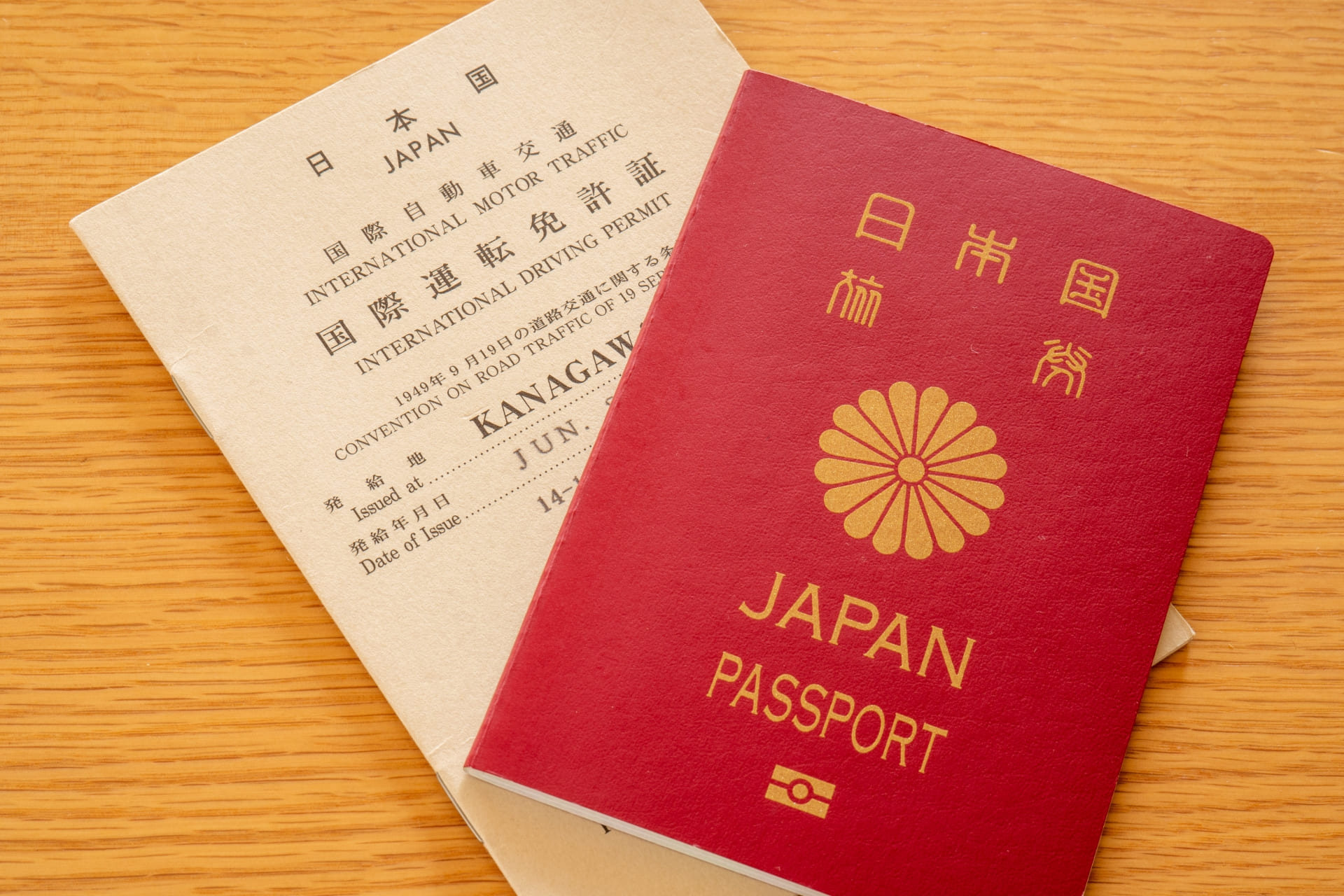
As a rule, Japan only recognizes an International Driving Permit (IDP) issued under the 1949 Geneva Convention. A permit based solely on the 1968 Vienna Convention is not valid here, even if it is accepted in your home country.
- The IDP must be the booklet form. Cards or printed sheets are not accepted
- It is valid for a maximum of one year from your date of entry into Japan, which can be shorter than the expiry printed on the permit
- At the rental counter, the standard requirement is three items: the IDP, your home-country license, and your passport
Warning
Switzerland, Germany, France, Belgium, Monaco, and Taiwan do not issue 1949 Geneva Convention permits. Drivers from these places need their home license plus an official Japanese translation (for example, from JAF). The list of countries can change, so verify the current rules with an official source before you travel (to be verified).
- Driving in Japan with a foreign driver’s license | JAF (Japan Automobile Federation)
- How to apply for a Japanese translation of your license | JAF
2. Driving on the Left and Other Japan-Specific Rules
Japan drives on the left, with the steering wheel on the right. Visitors from right-side-driving countries most often drift into the wrong lane just after a turn, so stay especially alert for the first few kilometers.
- At a “Stop” (止まれ) sign you must come to a complete stop; merely slowing down is a violation
- A full stop before railway crossings is mandatory — many drivers also crack a window to listen
- Pedestrians have priority at crosswalks; stop if someone is waiting to cross
- Drunk driving is severely punished. Not just the driver but also passengers and anyone who supplied the alcohol can be penalized
- Seat belts are required in every seat, and using a phone while driving is strictly prohibited
All speed signs are in km/h. Many rural roads have relatively low legal limits, so a comfortable approach is to follow the flow of traffic while keeping an eye on the posted signs.
3. Rural Roads Are Often Narrow, Steep, and Single-Track
The road to a sight is often not as wide as its line on the map suggests. Head into the hills and you meet sharp curves and steep grades, plus stretches too narrow for two cars to pass.
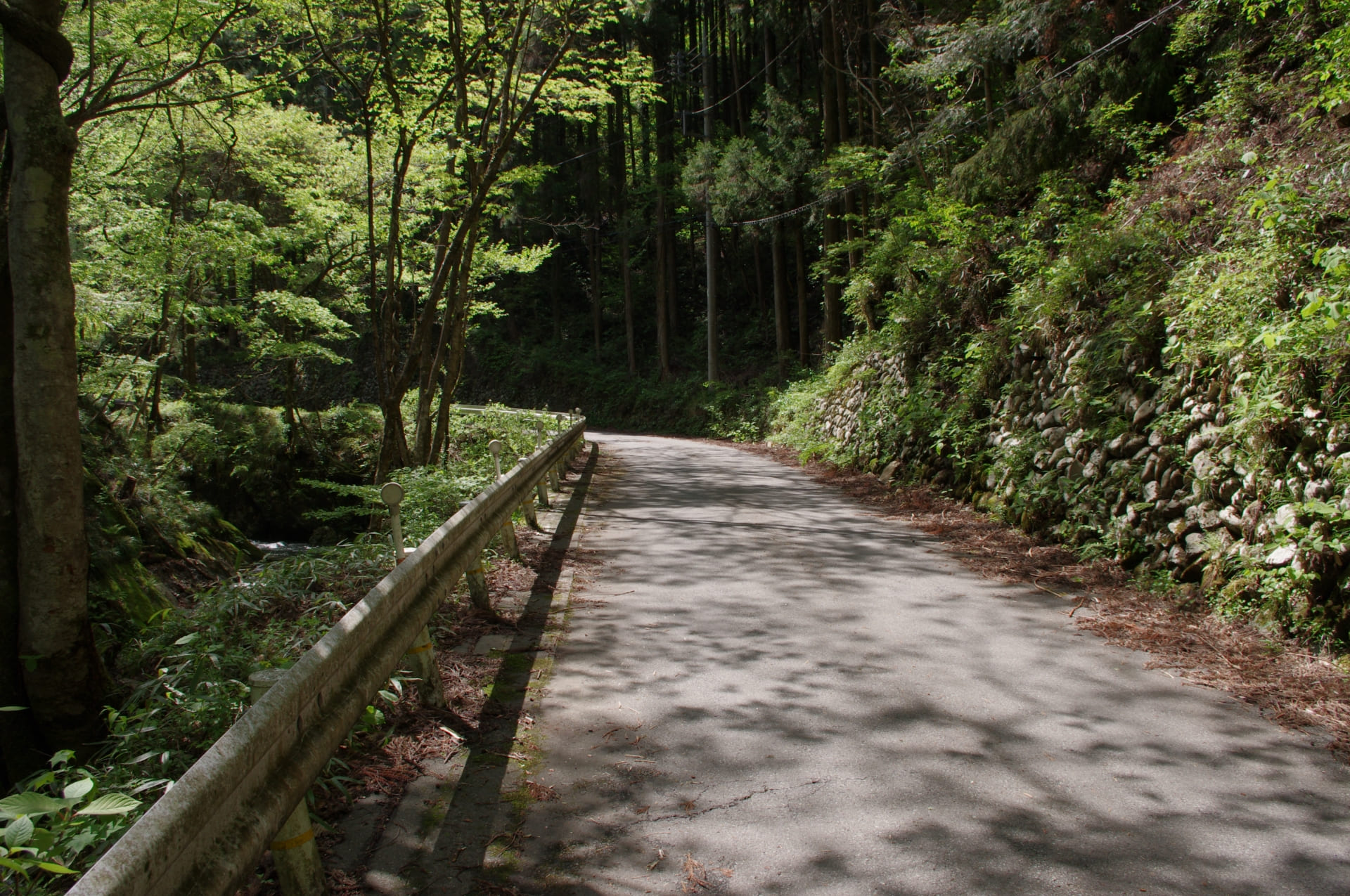
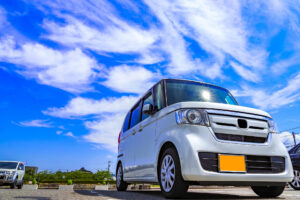
On a single-and-a-half-lane road where passing is tight, the etiquette is to wait in a slightly wider pull-off for the oncoming car. Village lanes and farm roads can be narrower than you expect, so if you’re unsure of your sense of the car’s width, a compact kei car is far easier to handle.
Warning
Rural roads at night have few streetlights and the surface is hard to see. Deer, raccoon dogs, and other wildlife can dart out, so on unfamiliar roads, avoid long drives after dark and plan to reach your destination while it is still light.
Info
For breaks on long drives, a roadside station (michi-no-eki) is handy. Besides restrooms and parking, you can buy local produce and regional foods, which turns the drive itself into part of the trip.
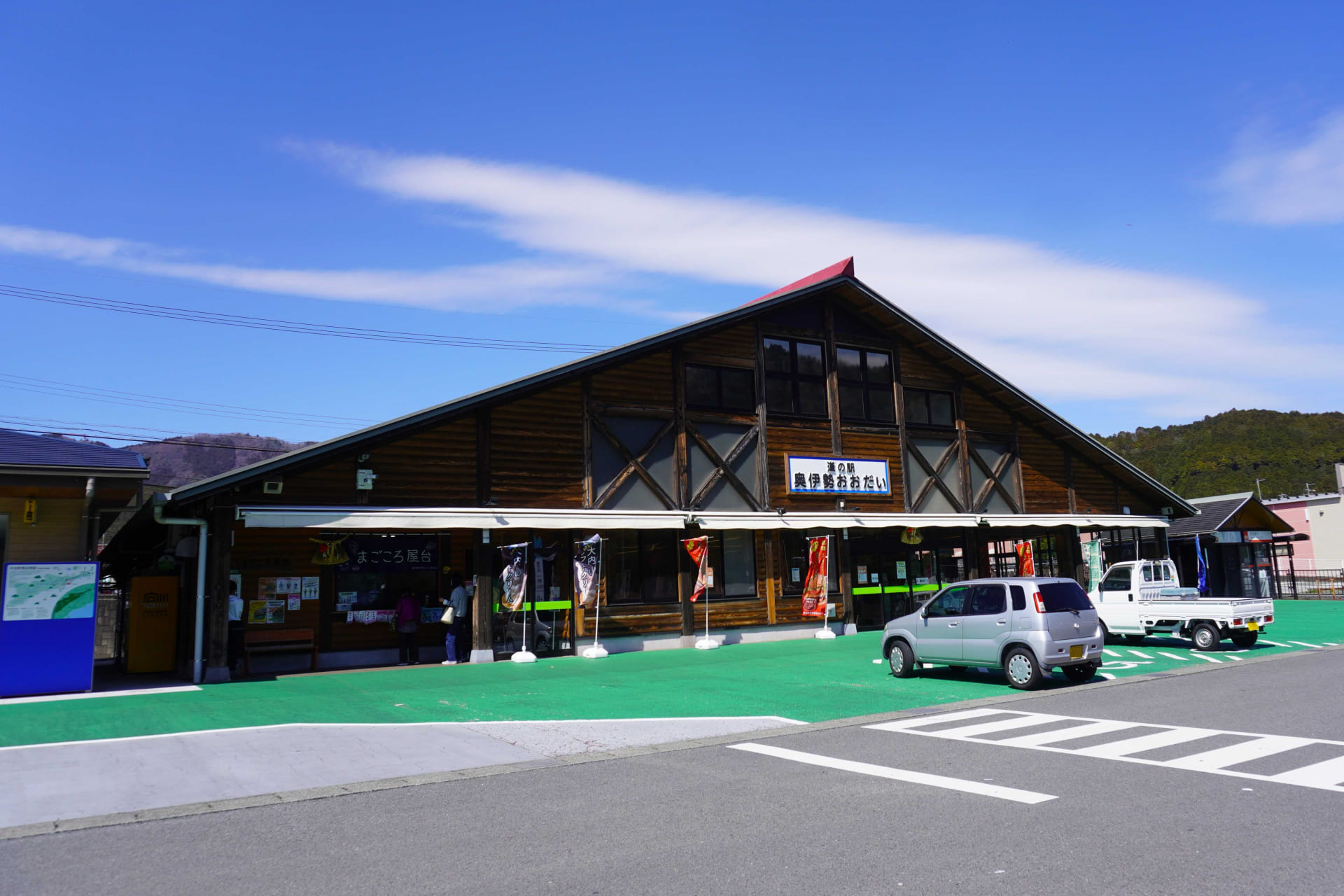
4. Secure Fuel and EV Charging Early
Gas stations are fewer in rural areas, and many close at night or on Sundays. Putting off filling up with a “I’ll get it in the next town” mindset can leave you anxious about your tank in the mountains.
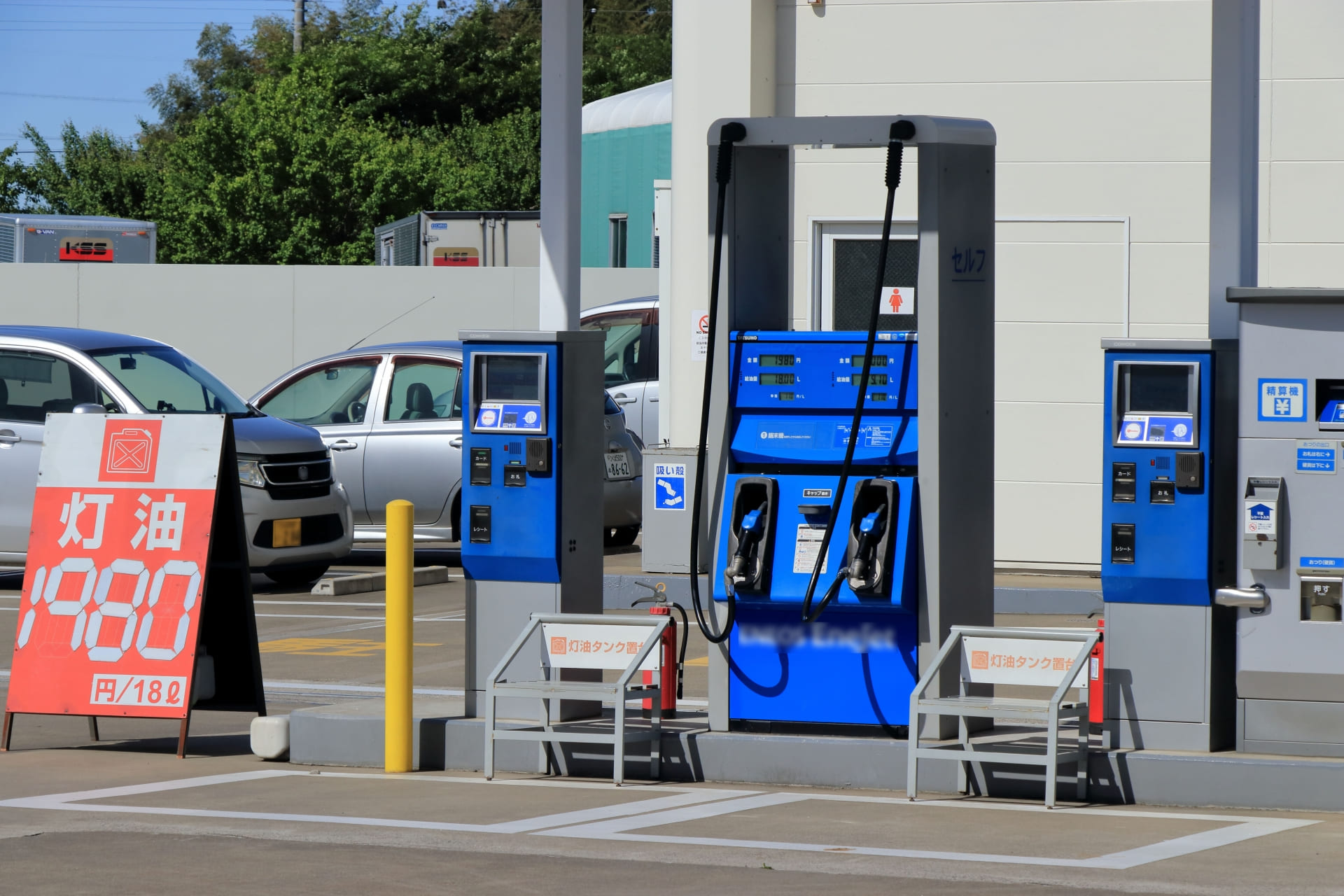
- Once the gauge drops below half, fill up at the next station you see
- Rural stations are often self-service, and returning the car with a full tank is the norm (to be verified)
- Mind the fuel type: kei cars and most gasoline cars take regular gasoline, while “keiyu” (軽油) means diesel — a different fuel entirely
- EV charging points are scarce in rural areas and charging is slow, so check charging spots along your route in advance
Putting diesel in a gasoline car (or vice versa) will damage it. If you’re unsure about the nozzle color or labels at a self-service pump, the safe move is to call a staff member rather than guess.
5. Expressways Assume You Have an ETC Card
Expressways are the fast way to move between cities, but without a payment method ready at the tollgate, it costs more and takes extra effort.
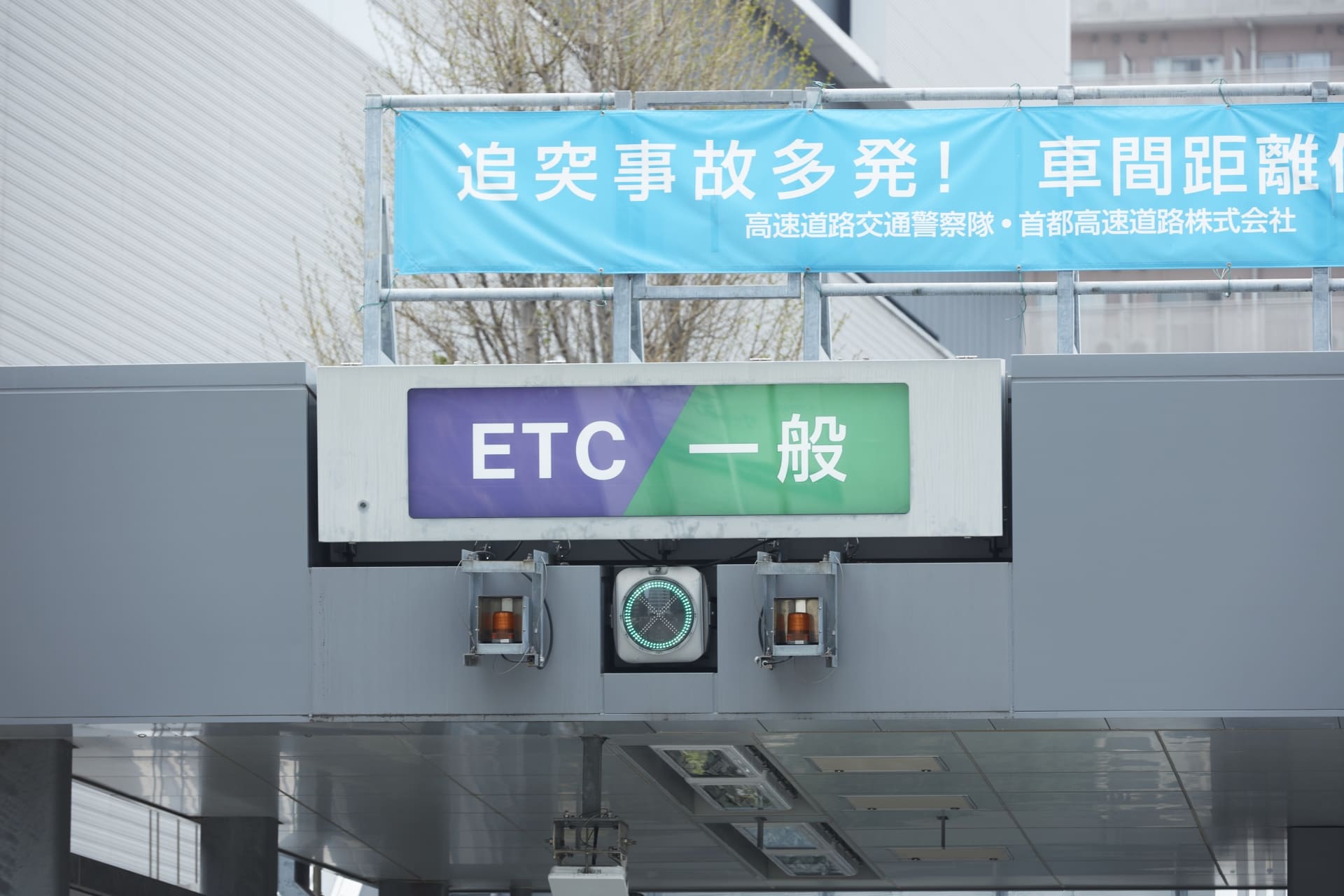
With an ETC card you can pass through tollgates without stopping, and some sections offer time-of-day discounts. For foreign visitors who don’t have one, rental companies often rent out ETC cards (to be verified).
Point
Without ETC, use the “general” (一般) lane and pay by cash or an accepted credit card. Check the lane signs well before the tollgate so you don’t enter an “ETC only” lane by mistake.
Service areas (SA) and parking areas (PA) bundle restrooms, food, and fuel, making them natural rest stops on long drives. On rural stretches the gaps between SAs and PAs can be wide, so it pays to rest early.
6. Check the Car Navigation, Map Codes, and Signal Coverage
Japanese car-navigation systems can be fiddly for address entry. Knowing a couple of shortcuts for setting a destination makes the pre-departure setup much easier.
- Setting a destination by the venue’s “phone number” or “map code” is faster and more accurate than typing the address
- Foreign visitors can sometimes request an English-language navigation system when booking (to be verified)
- Mobile signal and GPS can weaken in the mountains, so save your phone maps for offline use
- Using the car navigation alongside Google Maps on your phone makes it easier to track traffic and arrival times
Tourist-site websites often list a map code for car navigation. Once your destination is set, jotting it down before you leave makes it harder to get lost on arrival.
7. Confirm Insurance (CDW/NOC) and Seasonal Gear When Booking
To prepare for accidents or trouble, settle your coverage and seasonal gear before you pick up the car. The more rural the trip, the more that “don’t-panic-on-site” preparation pays off.
- A Collision Damage Waiver (CDW) caps the deductible you pay out of pocket in an accident
- The Non-Operation Charge (NOC) is a fee for lost business while the car is repaired or cleaned; an optional plan can sometimes cover it (to be verified)
- In winter (roughly November to March), northern Japan and mountain areas need studless tires or chains — don’t push it if you’re not used to snow
- Arrange any options you need, such as a child seat or ETC card, all at once when you book
Rental cars, airport transfers, and local activities can all be arranged online in advance. Locking in your plans early reduces the risk of waiting lists or sold-out availability once you arrive.
Summary: Preparation Before You Rent Changes the Whole Rural Drive
What sets a rural rental trip apart is preparation, not driving skill. Nail down four things — license documents, traffic rules, fuel, and insurance — and even a first rural drive feels manageable.
- Foreign visitors: confirm before traveling whether you need a 1949 Geneva Convention permit or your home license plus an official translation
- Get Japan-specific rules into your head first — driving on the left, full stops, and railway crossings
- Rural roads are narrow and steep, and nights are dark; secure fuel and EV charging early
- Arrange the expressway ETC, car-navigation map codes, and winter studless tires when you book
For routes you’re unsure about driving, or trips centered on cities, it’s worth weighing a car-free option too. Destinations that are easy to cover by train and bus are compared in 10 Japanese Regional Destinations That Are Easy to Visit Without a Car.